

Collection: Freebase E-Liquids
Shop freebase e-liquids in Canada from Flavour Beast, Al Fakher, Lemon Drop, Illusions, NKD100 and more. Browse 30mL and 60mL vape juice in multiple nicotine strengths for refillable devices, including sub-ohm tanks and higher-output setups. Enjoy fast, flexible shipping across Canada with multiple delivery options.

-
-
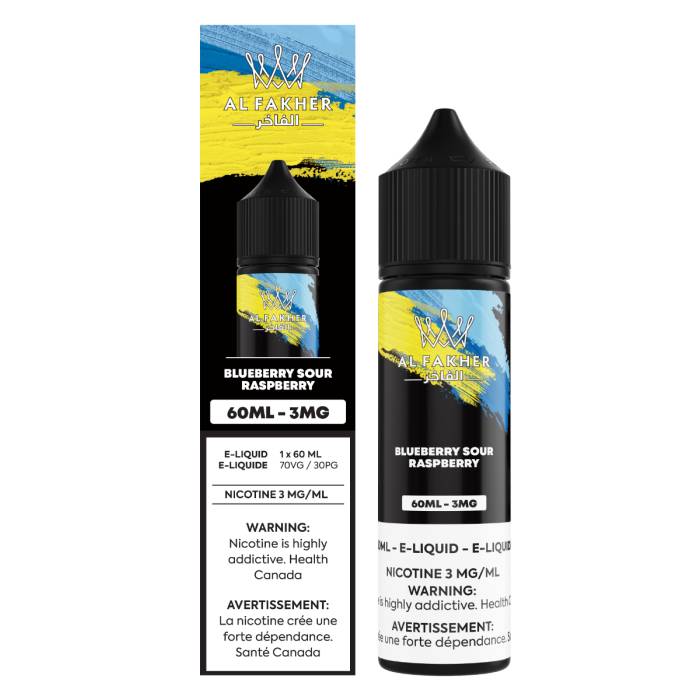
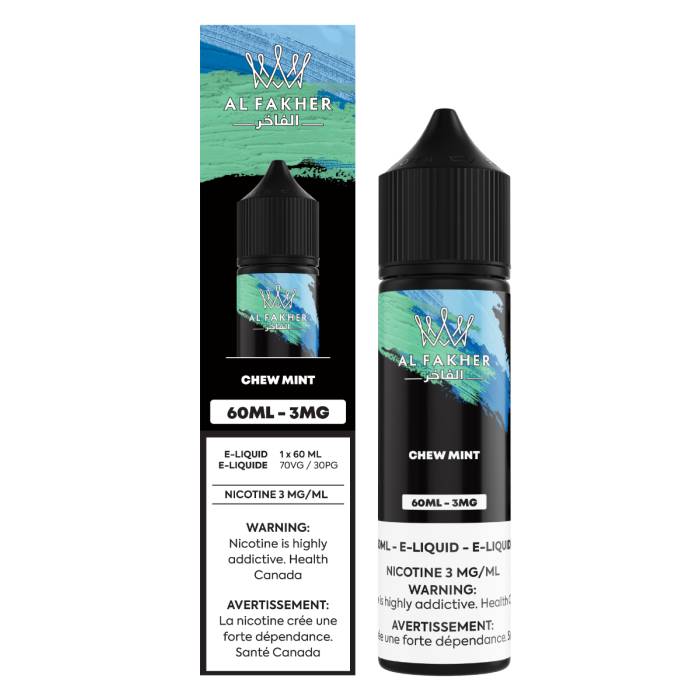
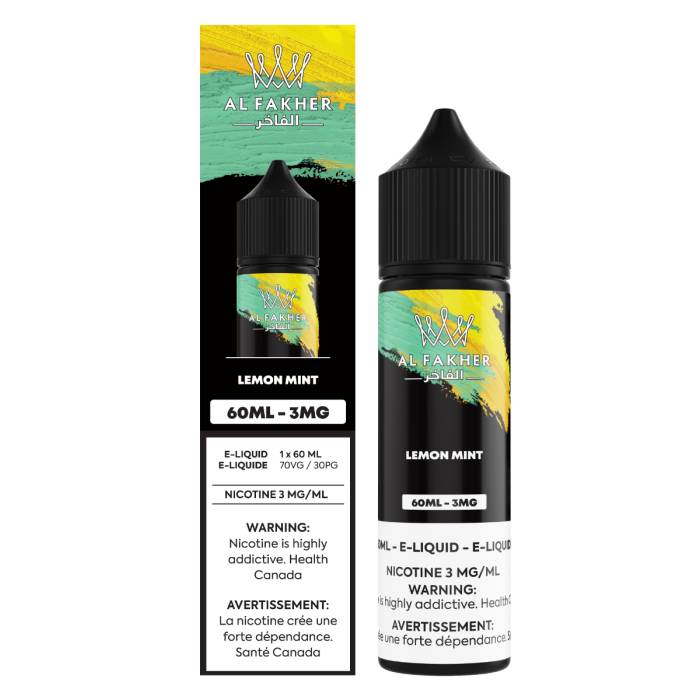
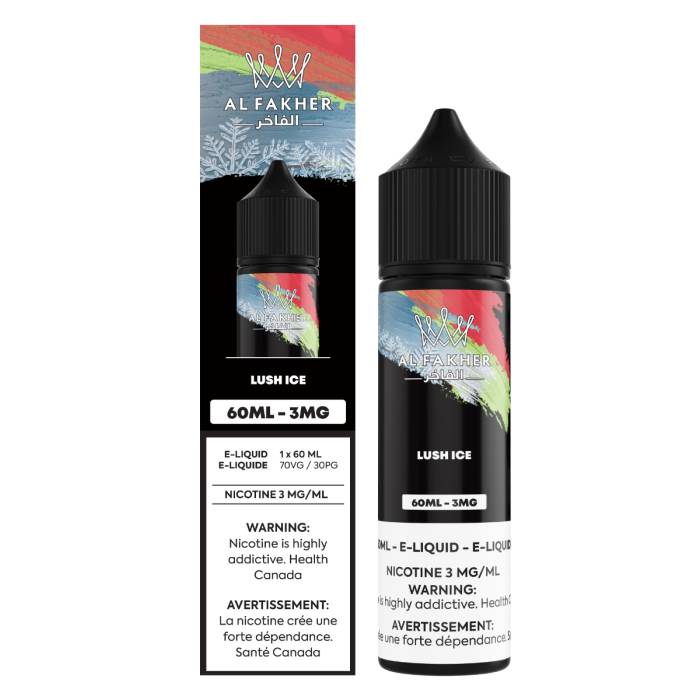
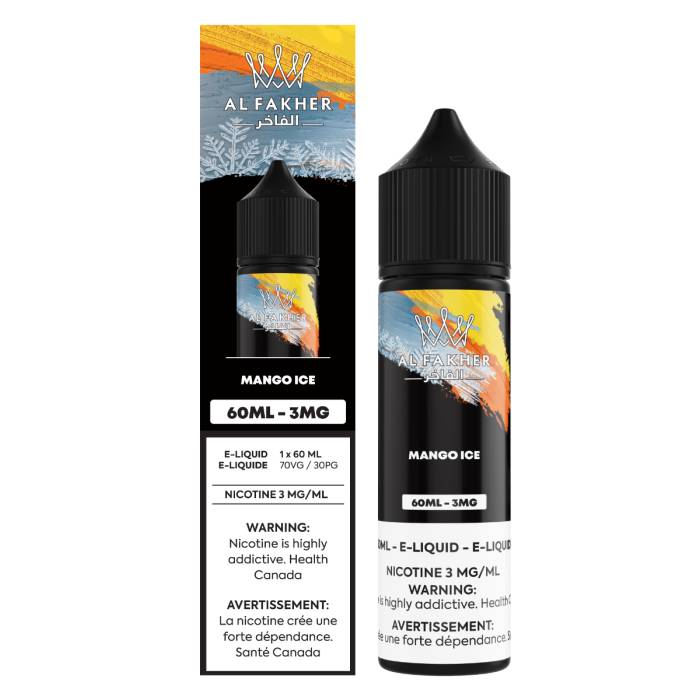
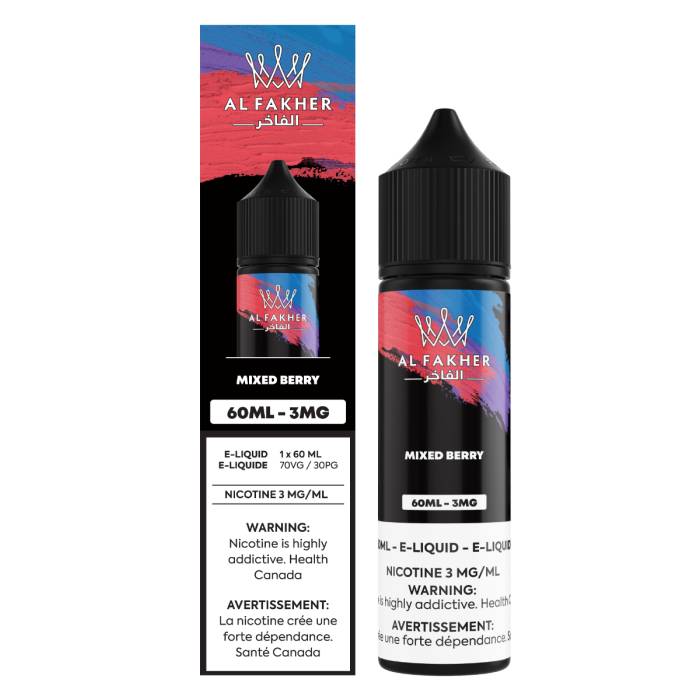
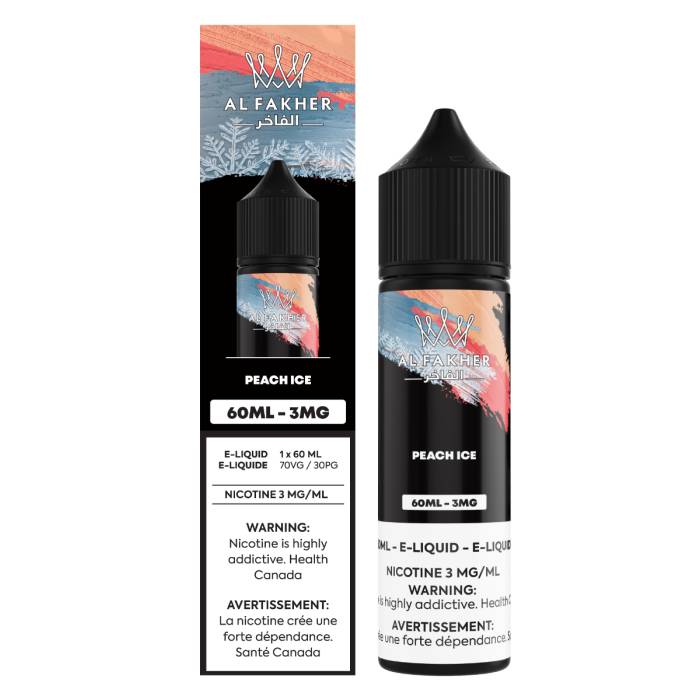
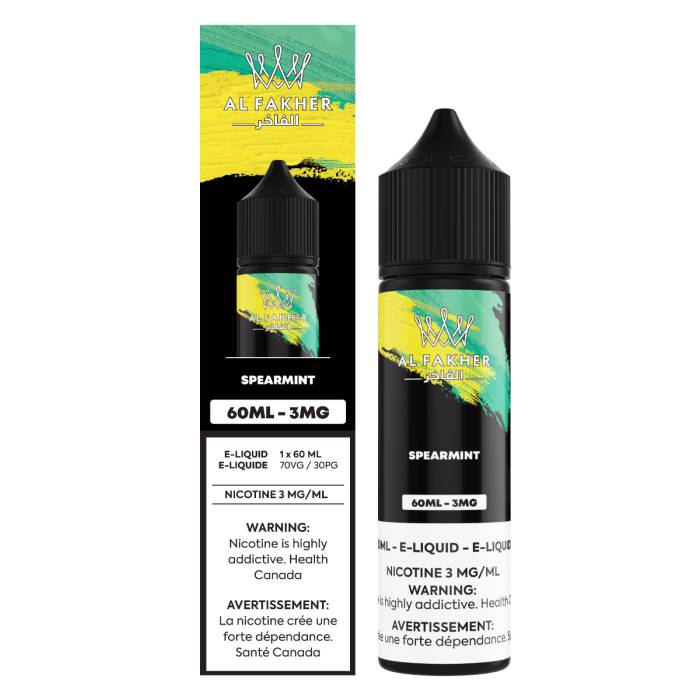
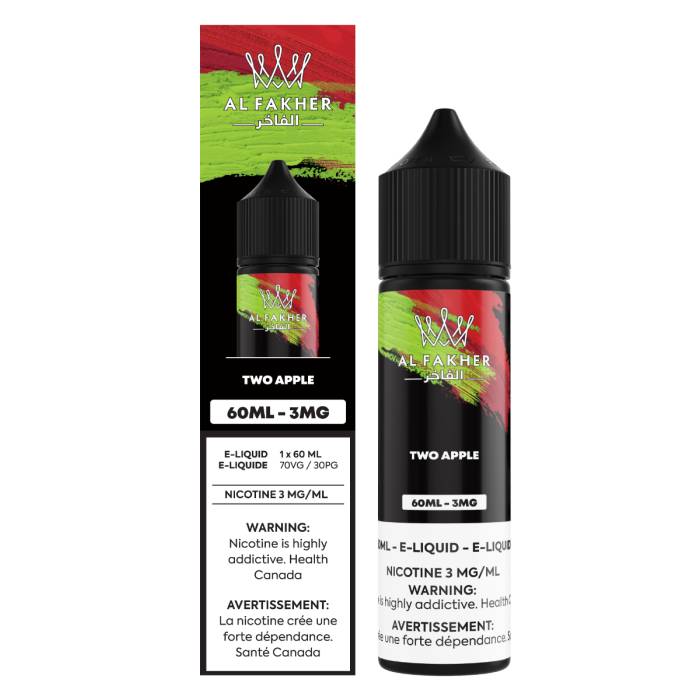
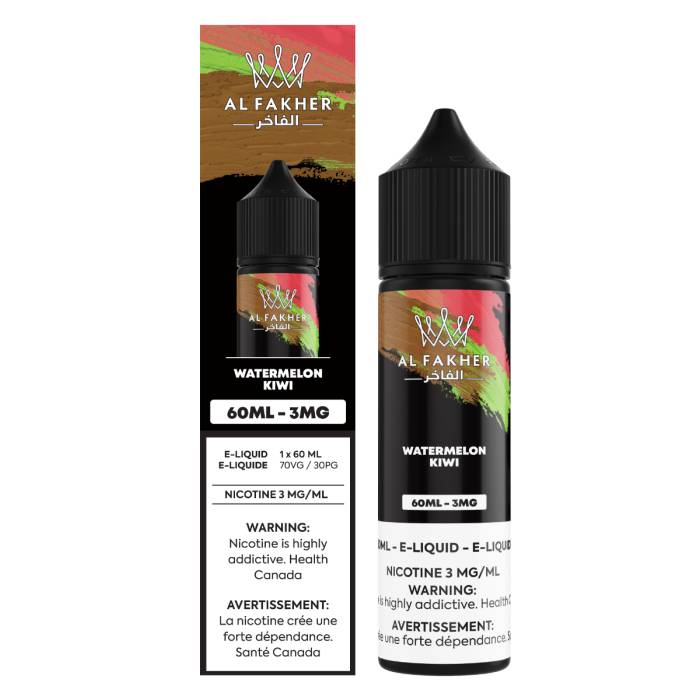 Sold out
 -


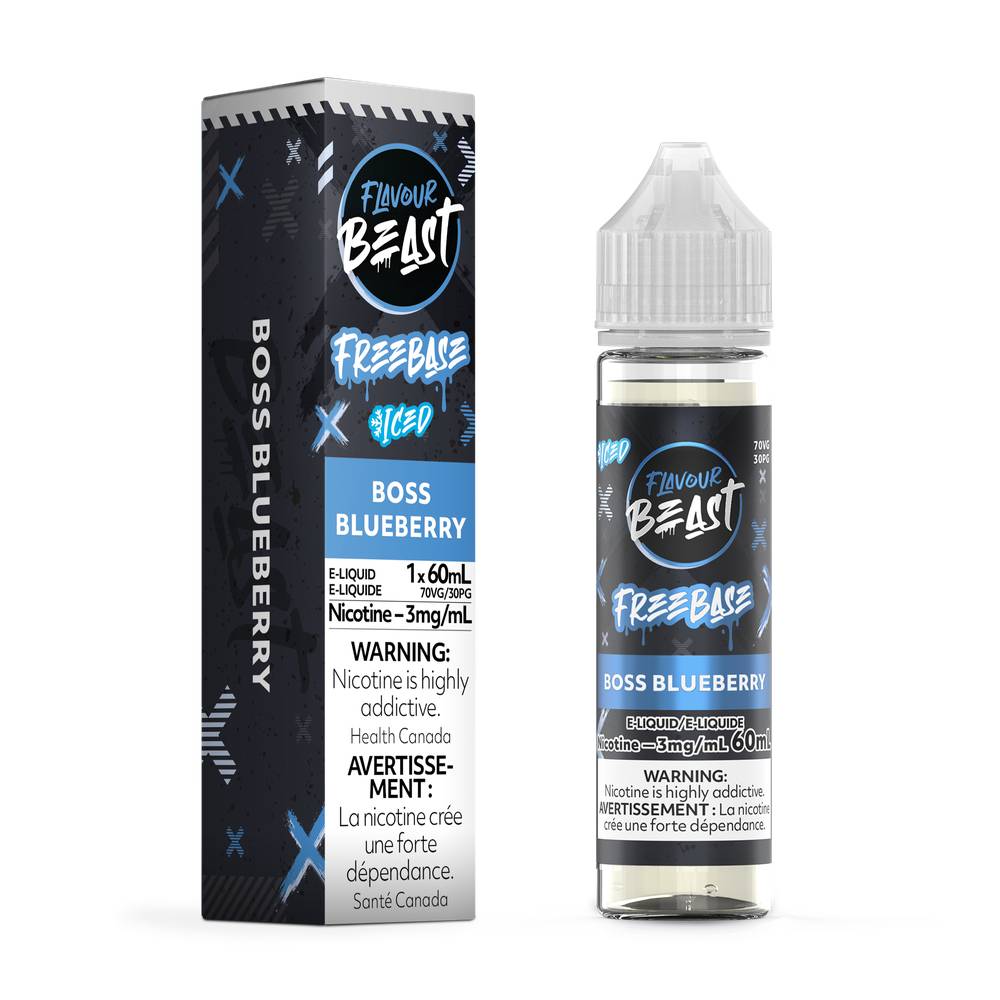
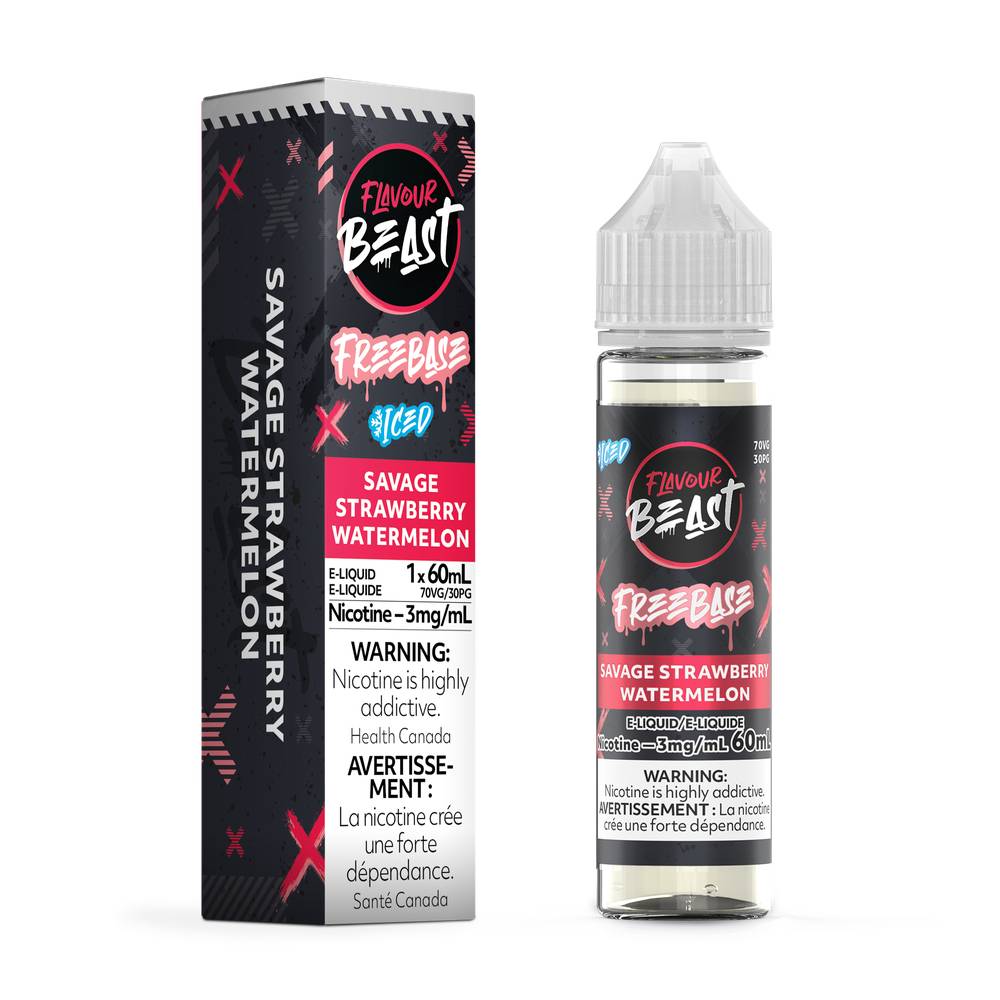
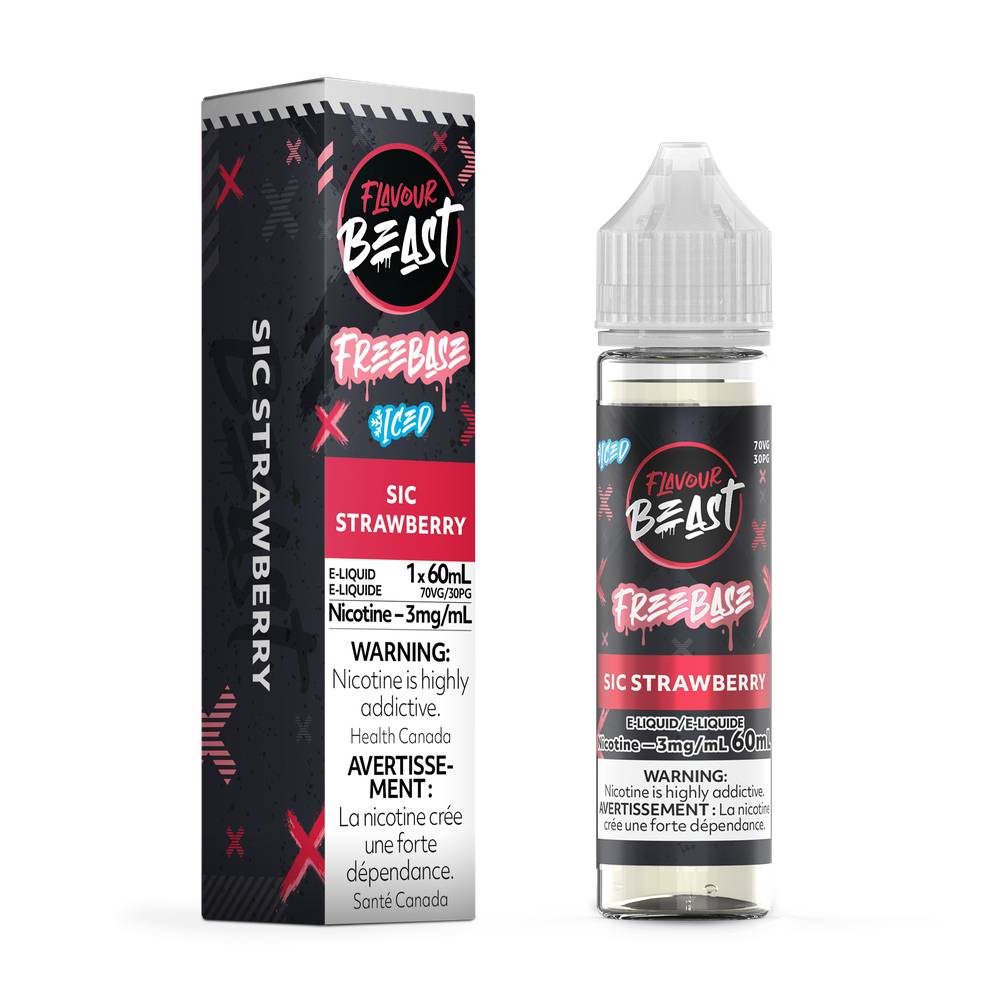
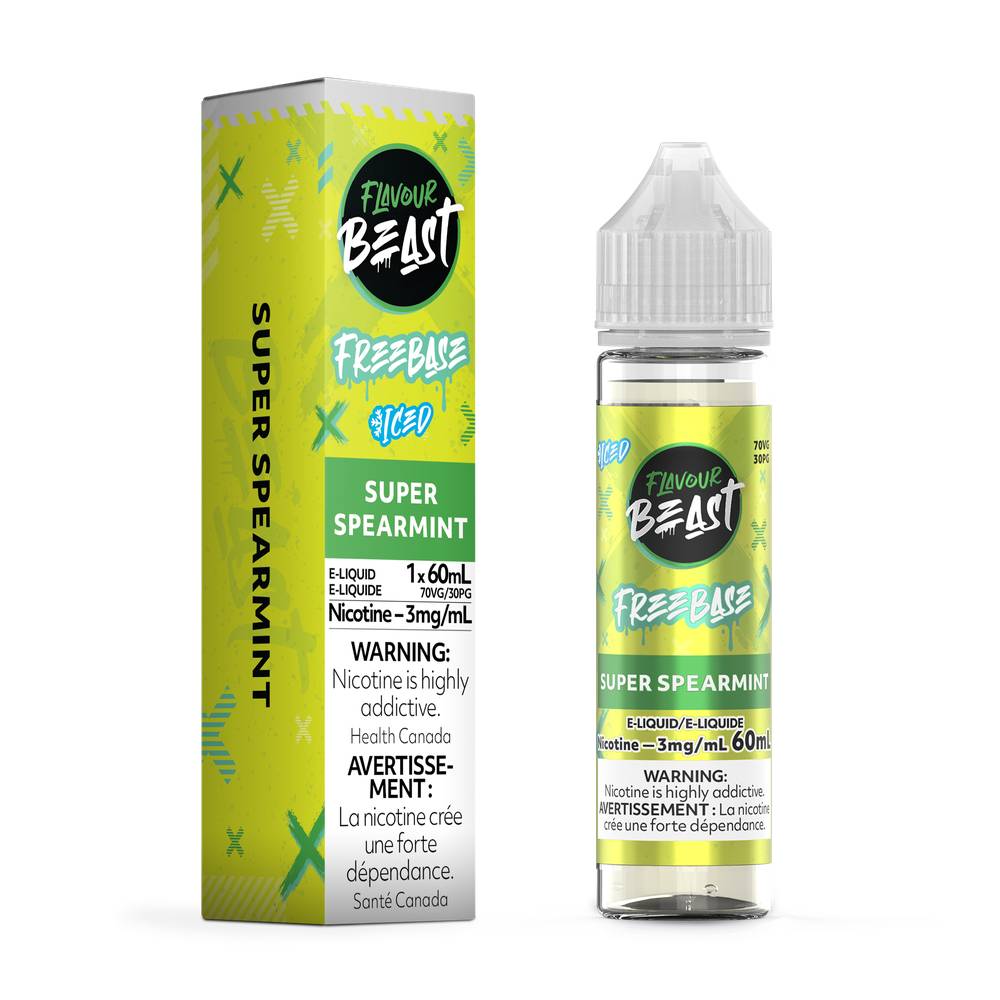
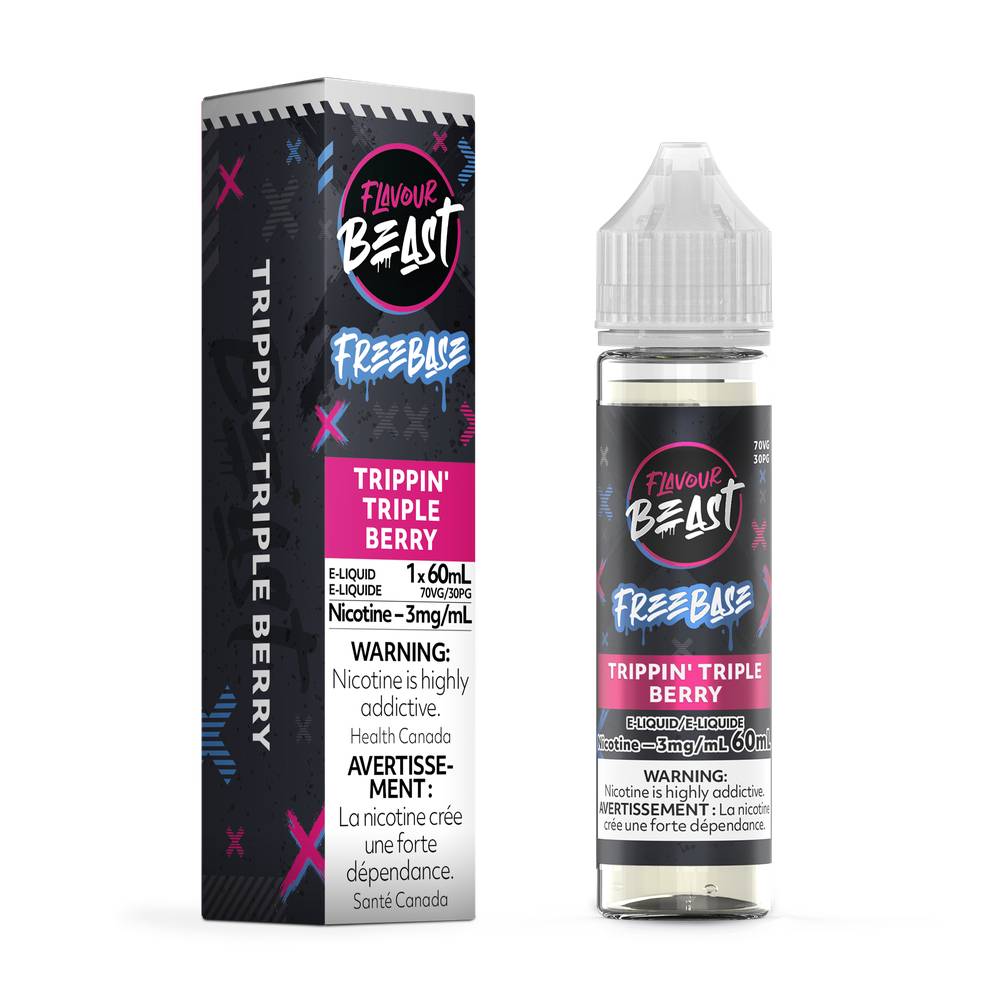
-
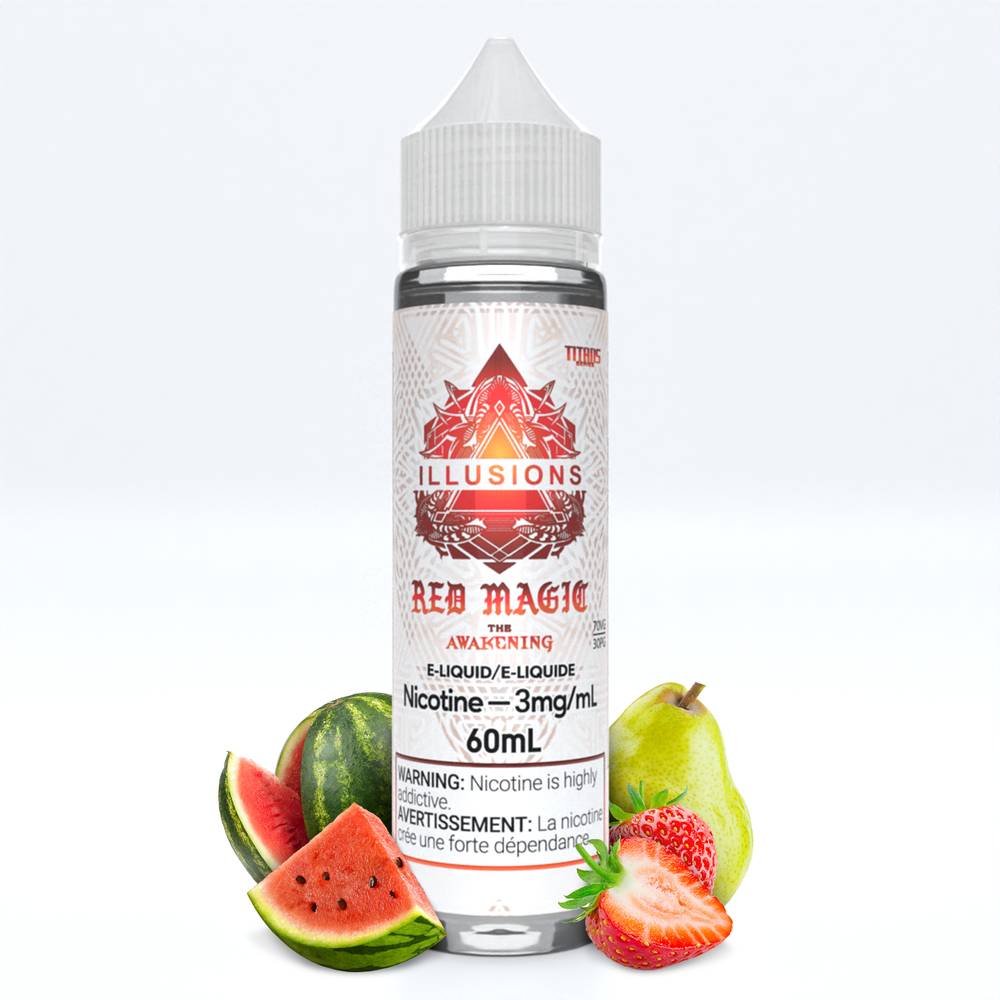
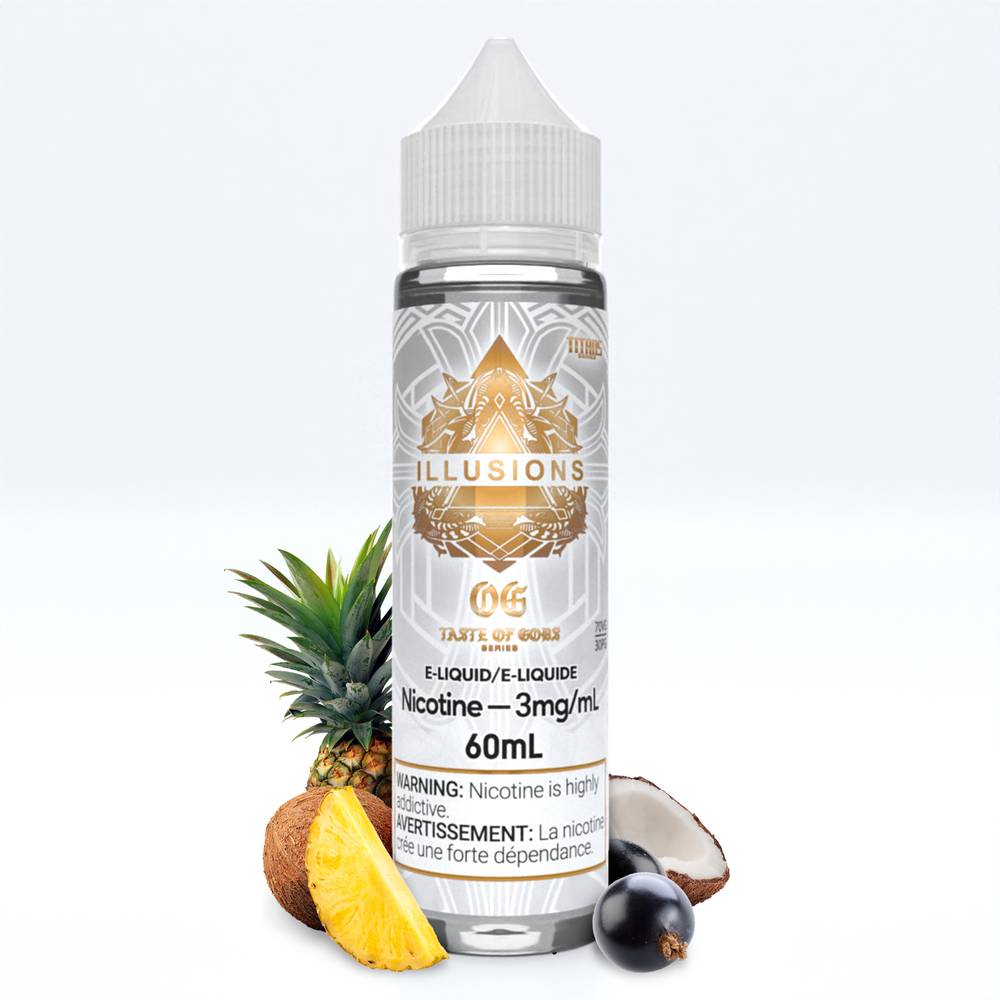
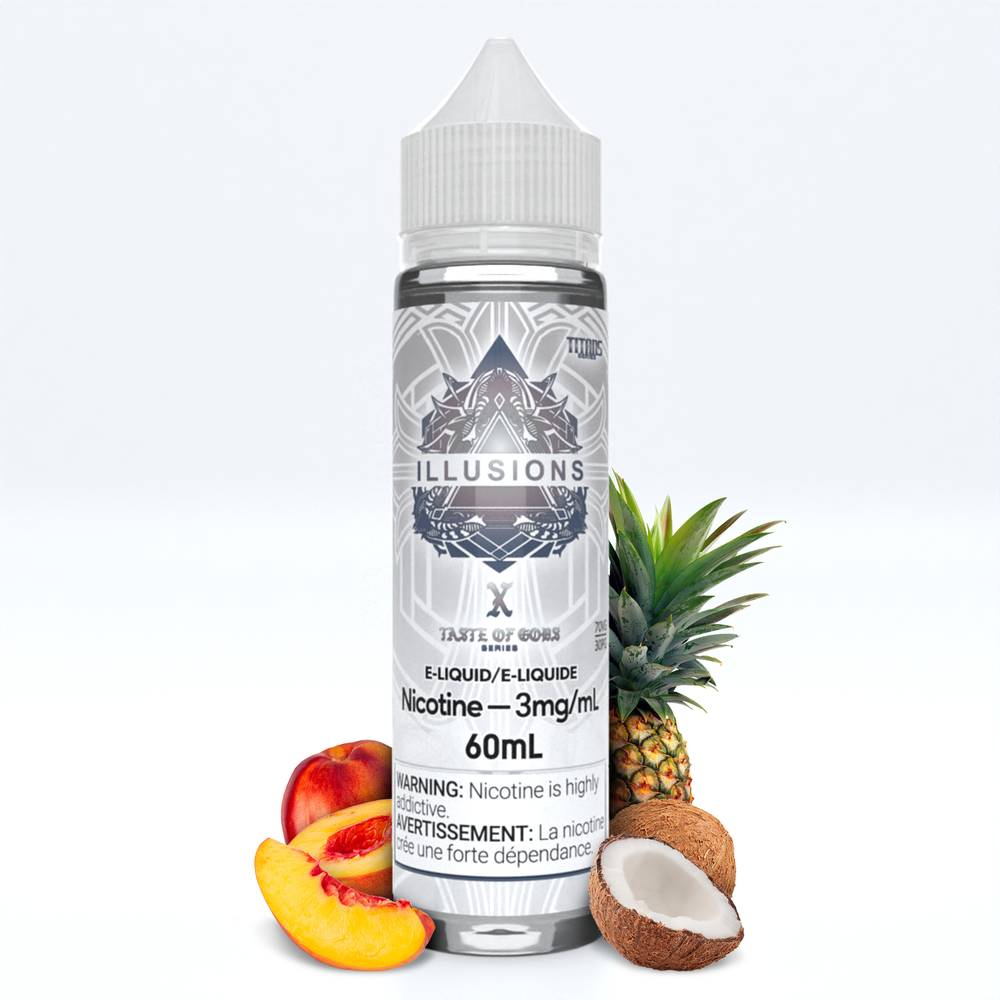
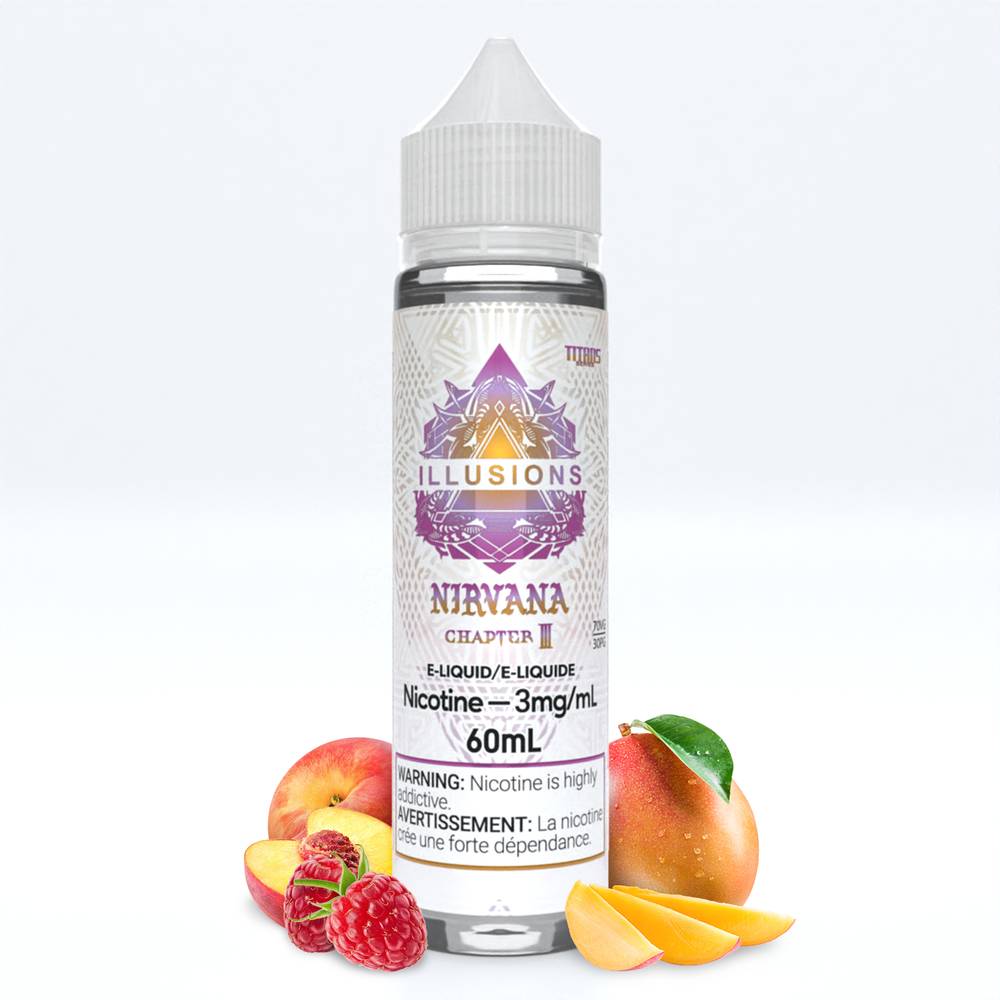
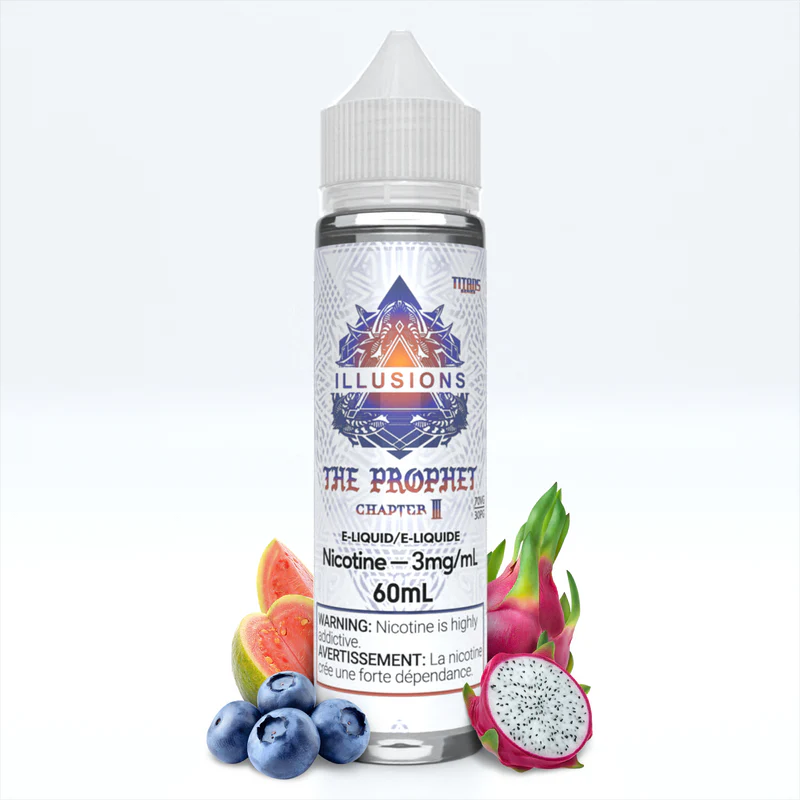 10% off
 -
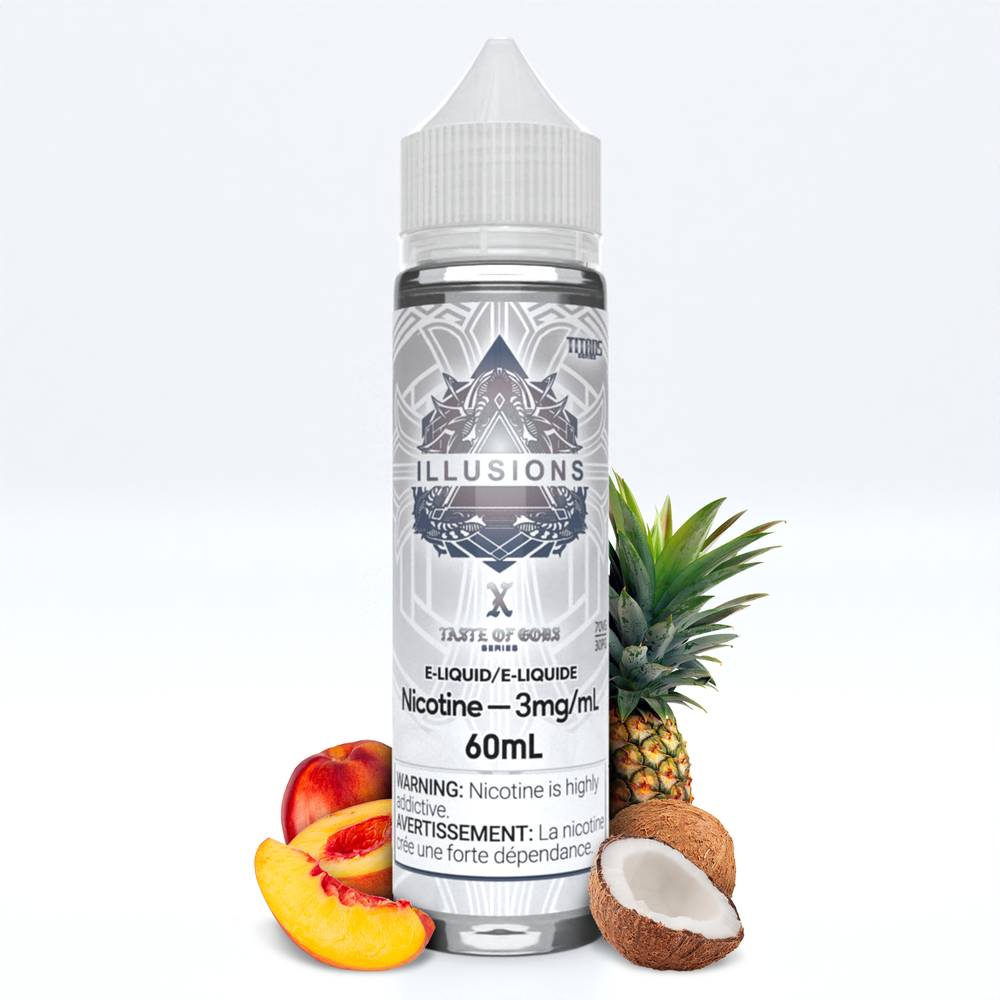
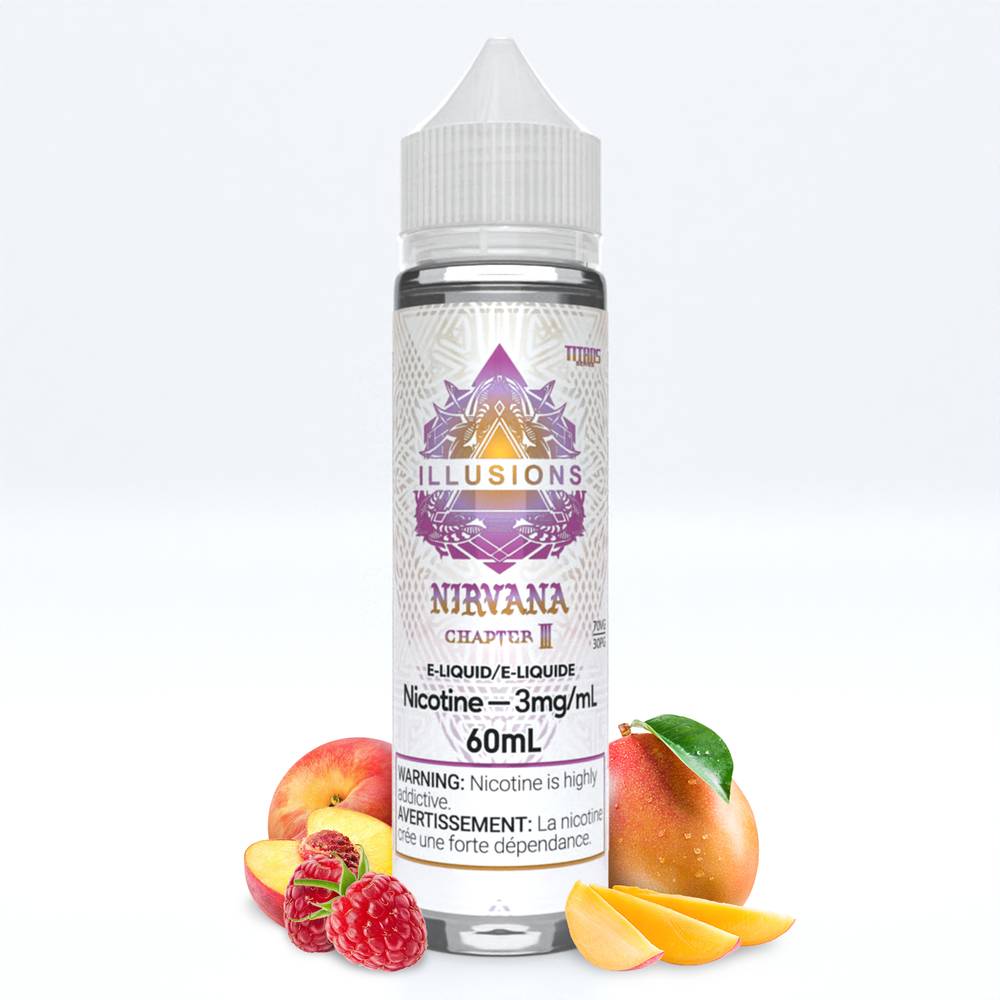
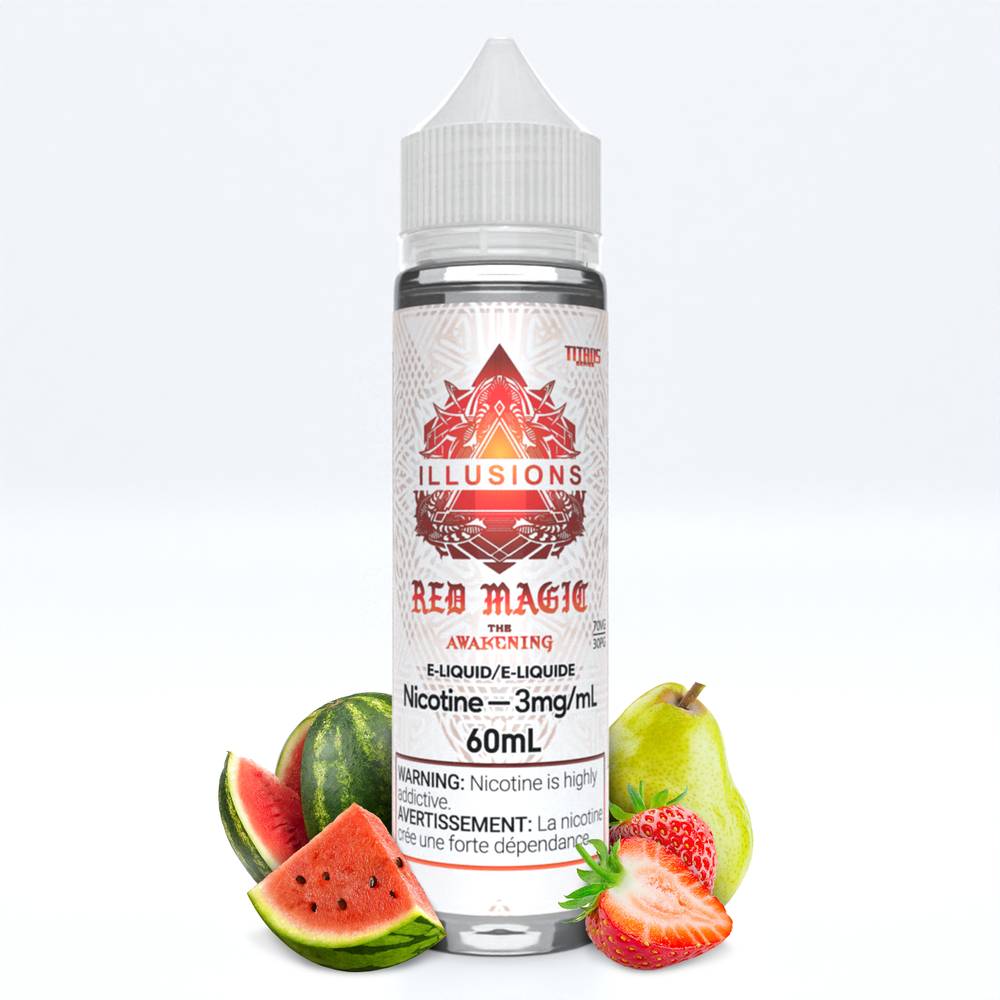
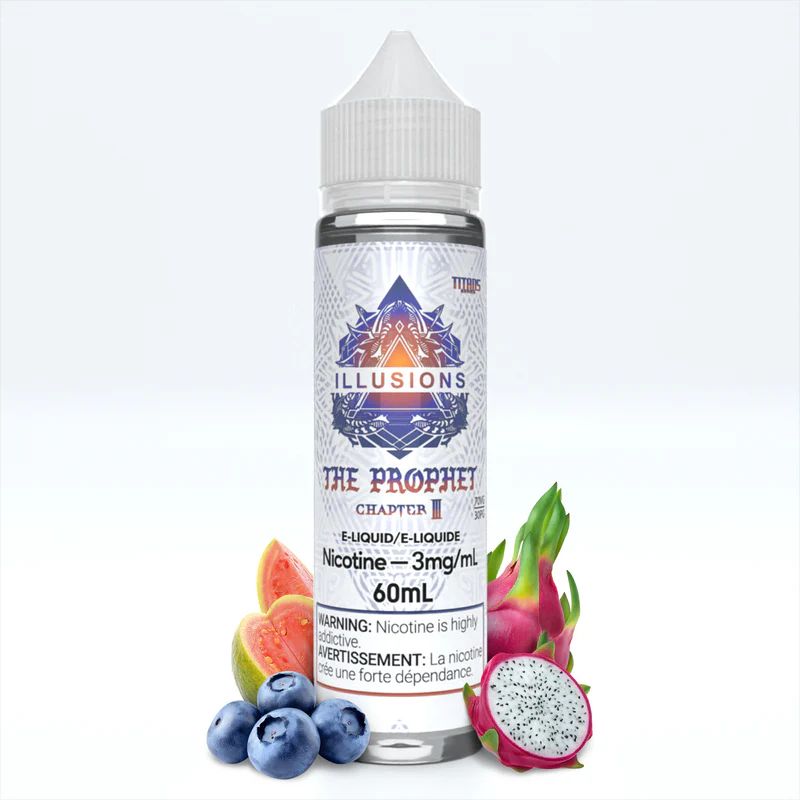
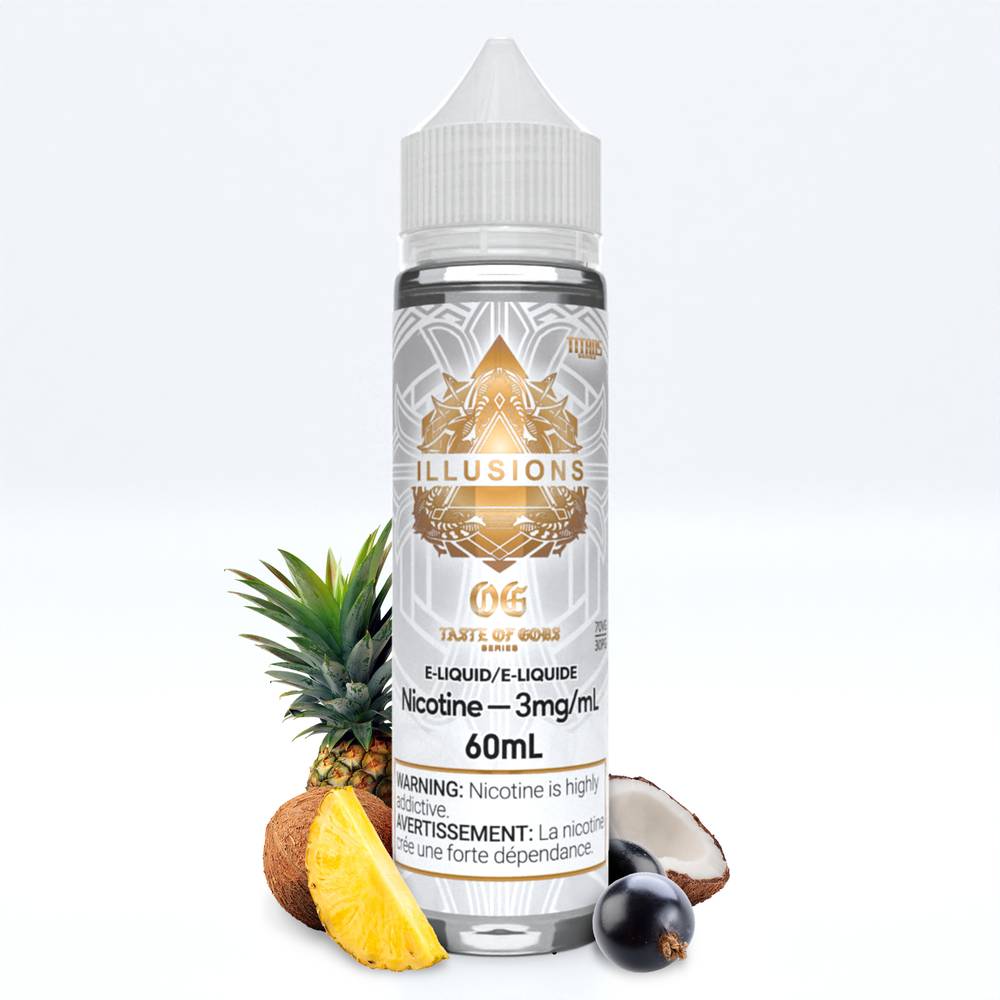 10% off
 -
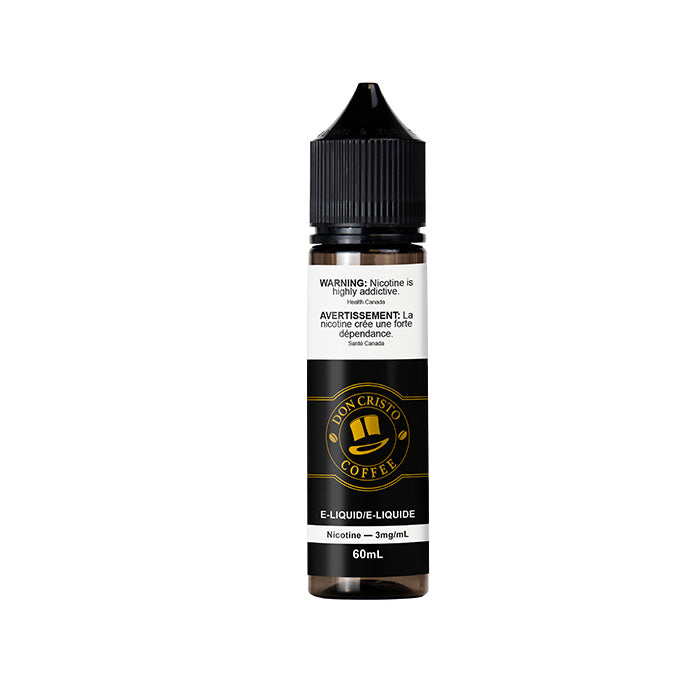 20% off
 -
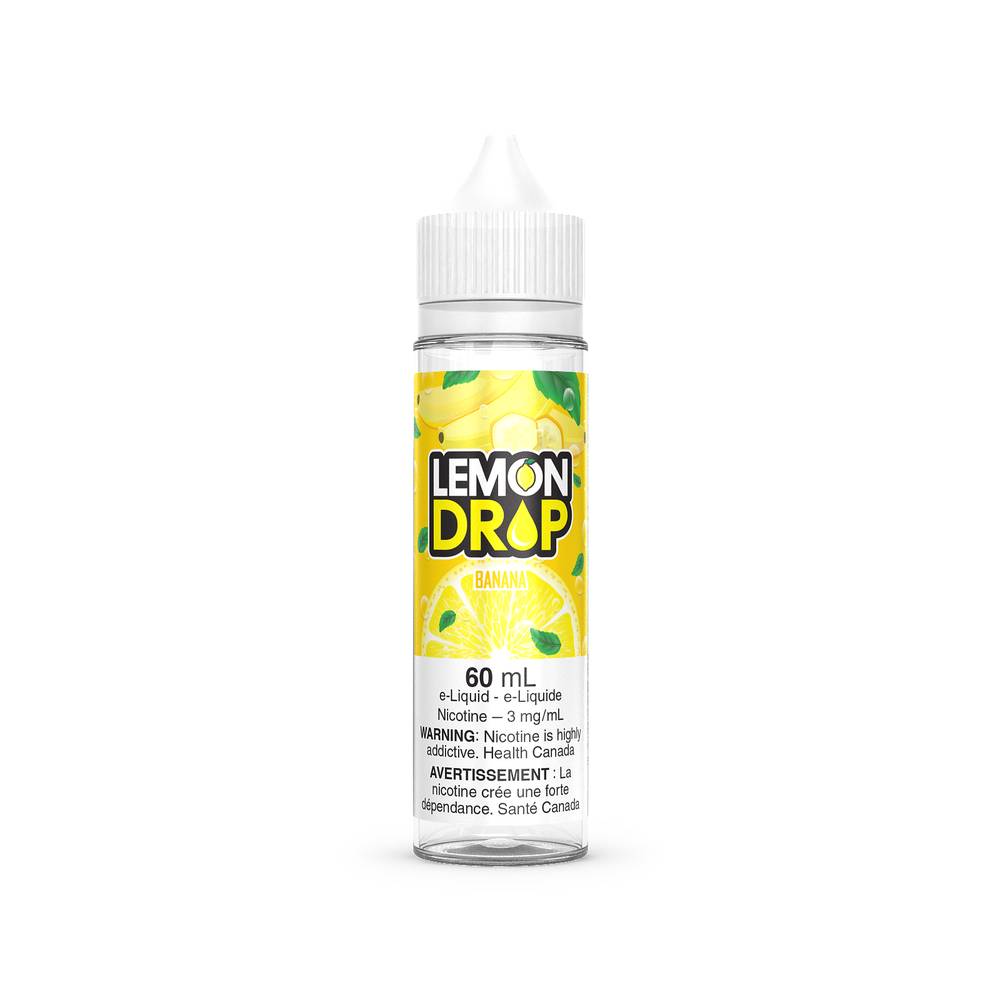
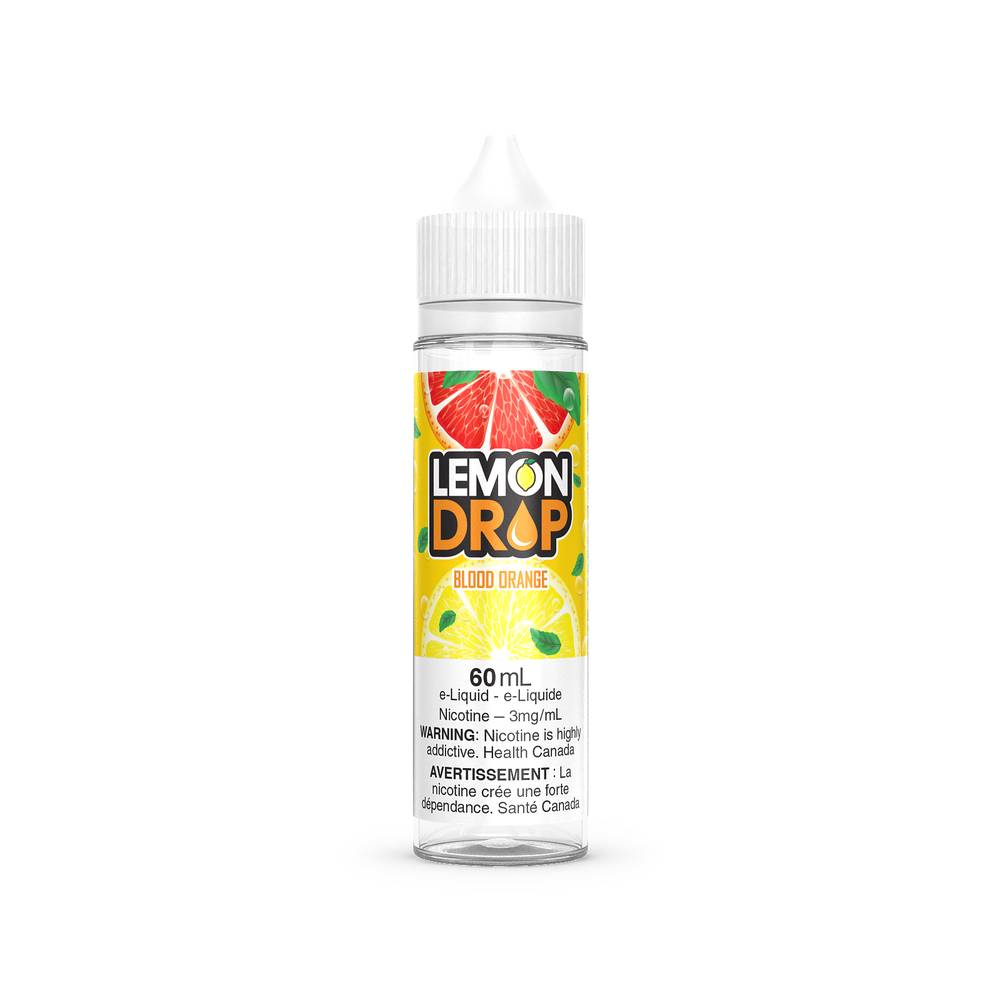
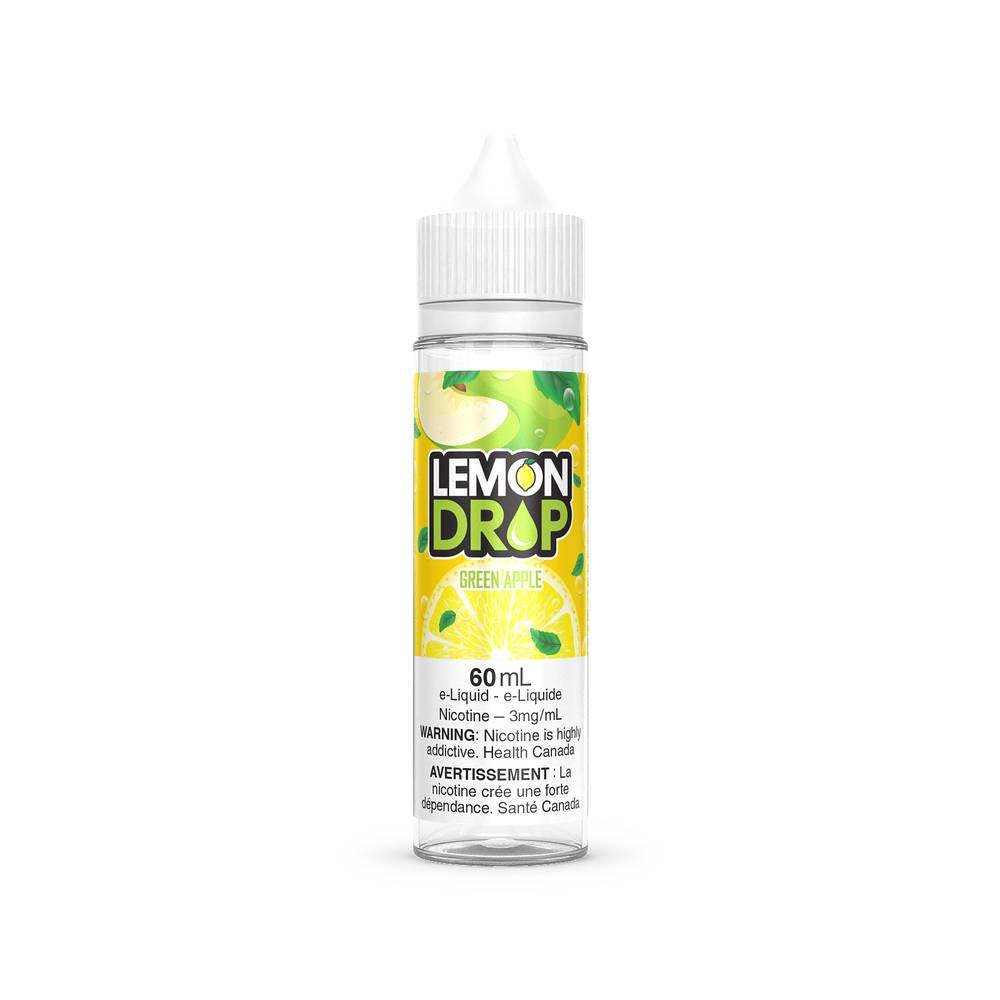
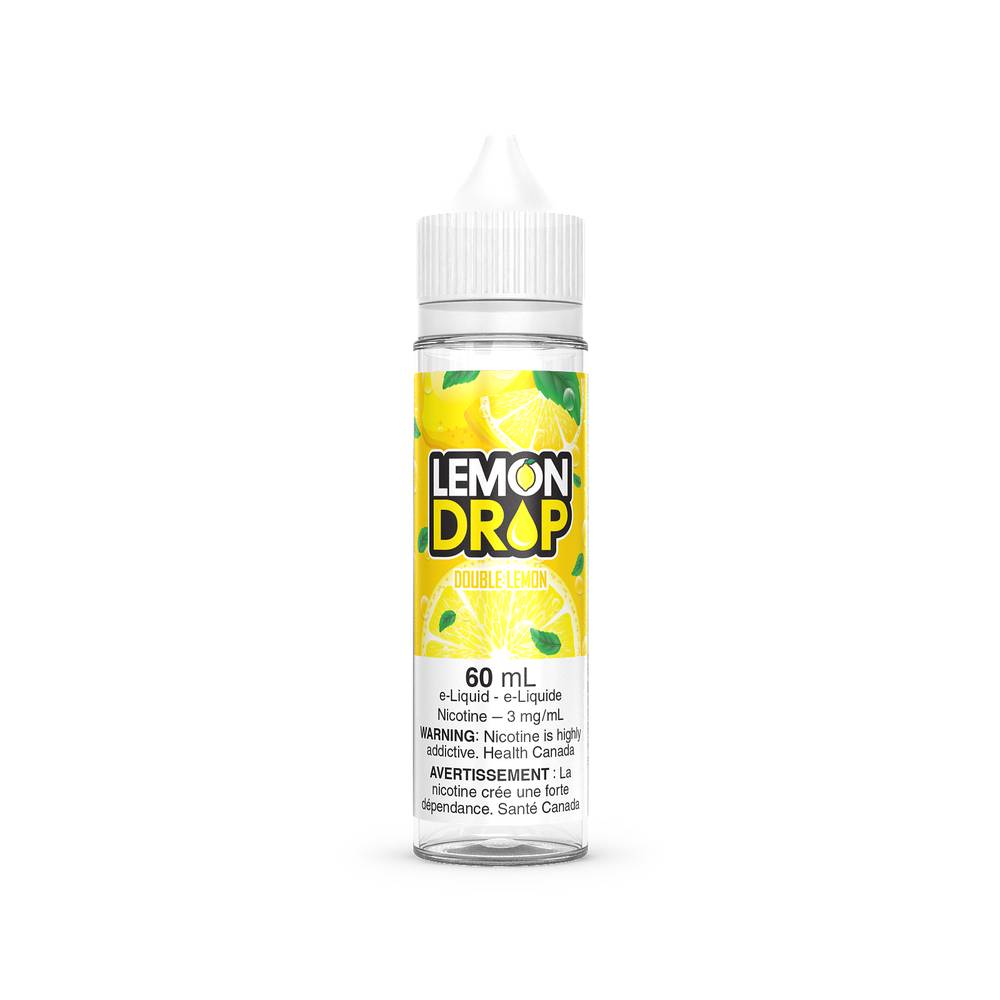
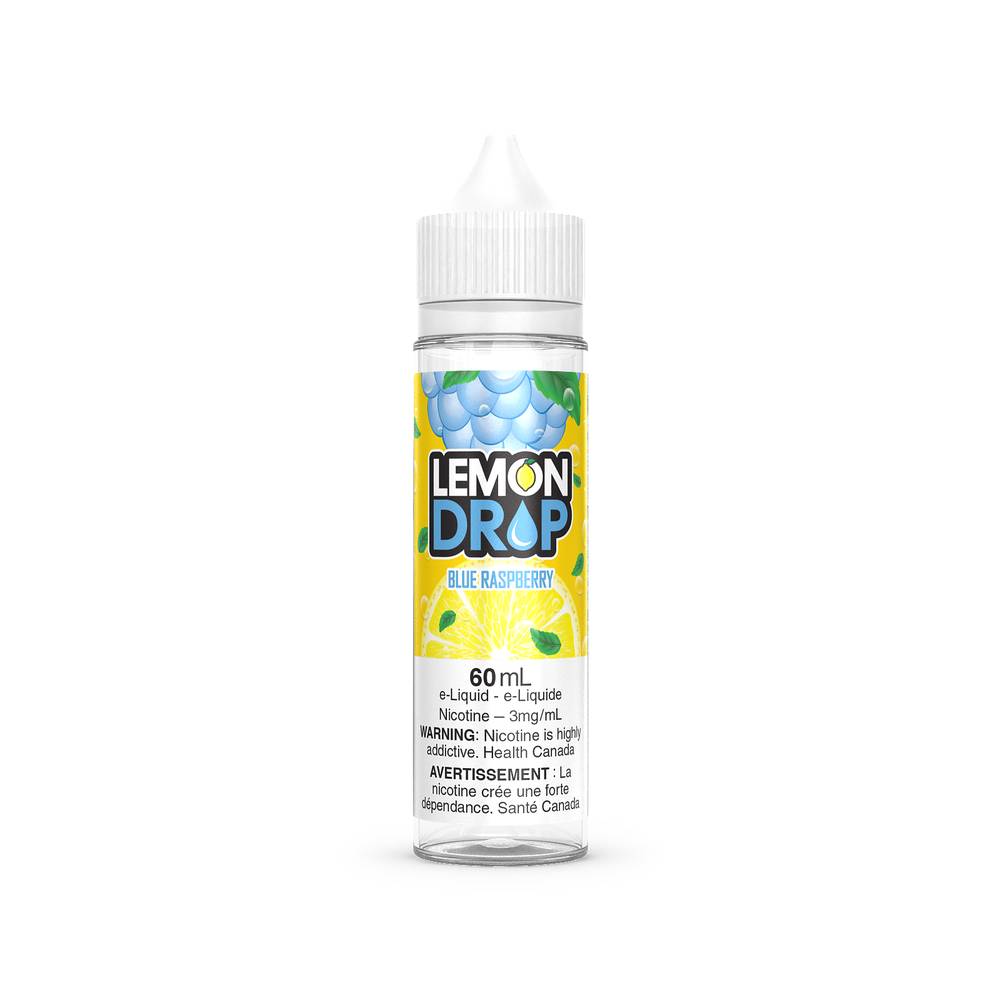
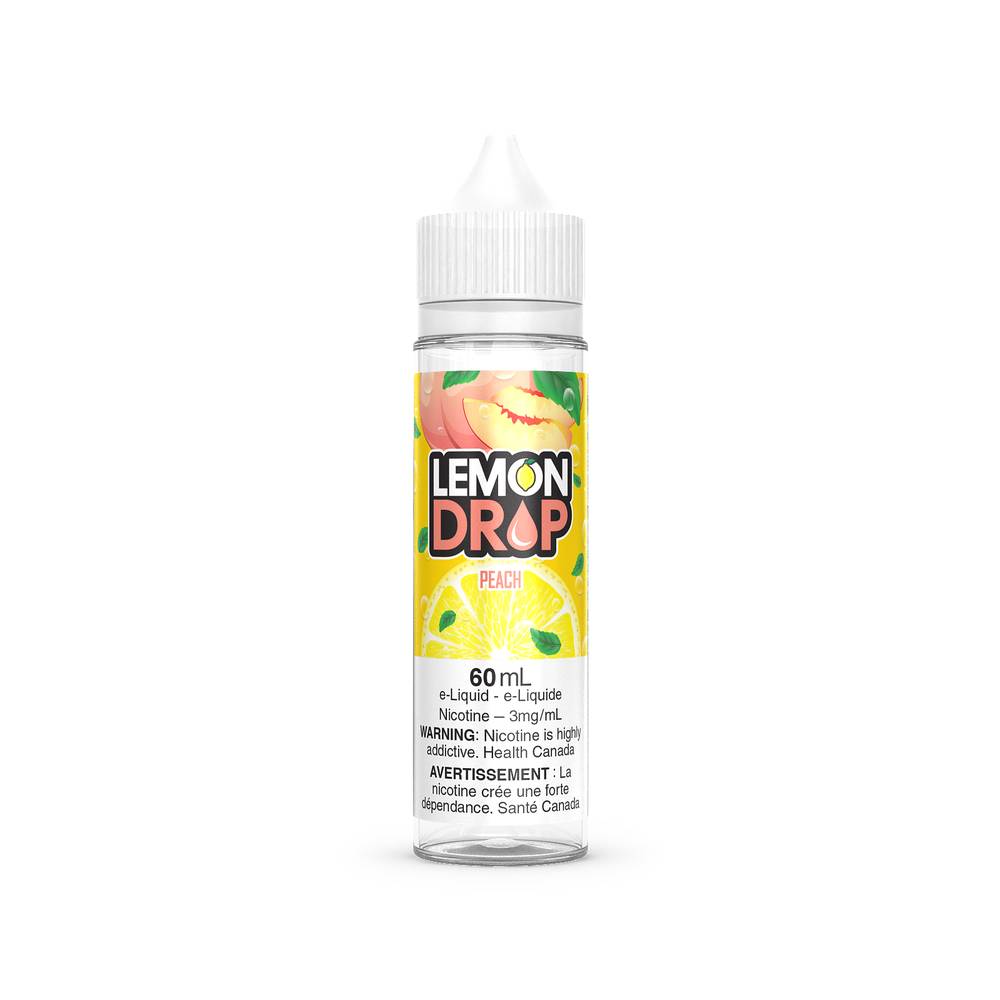
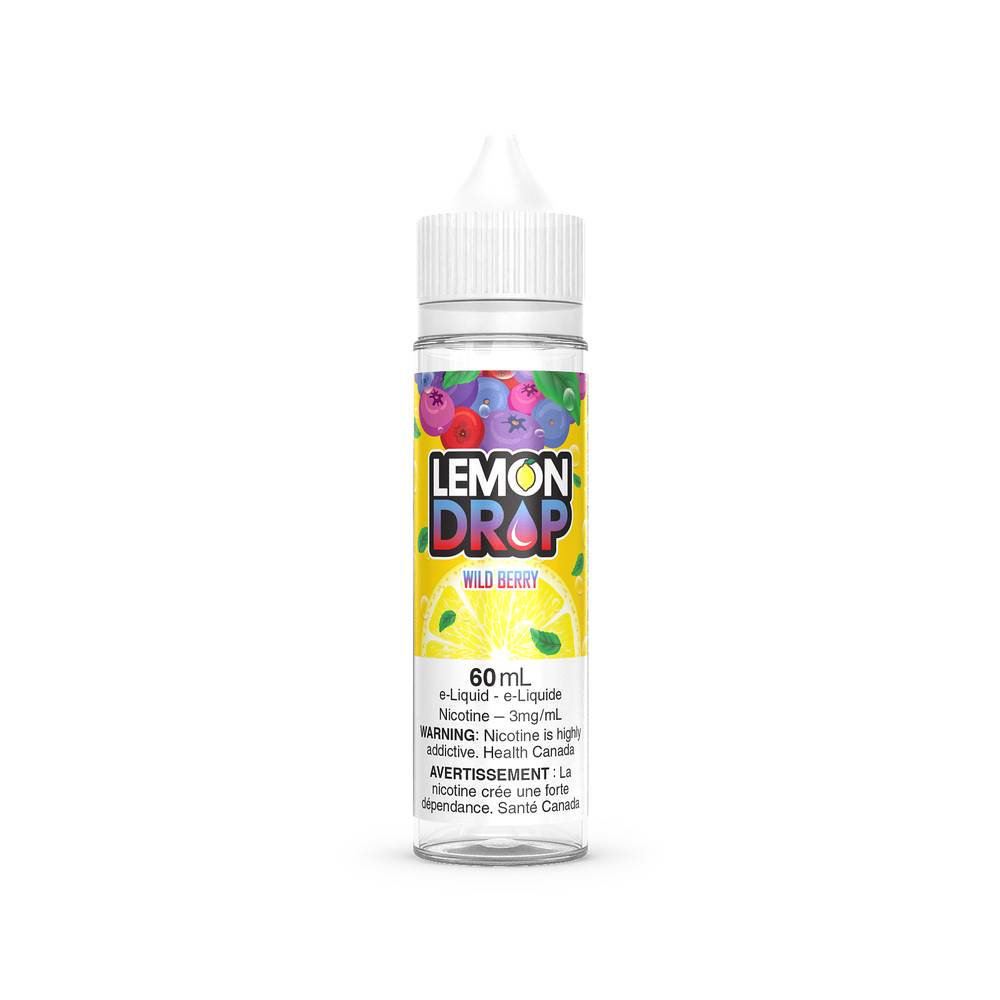
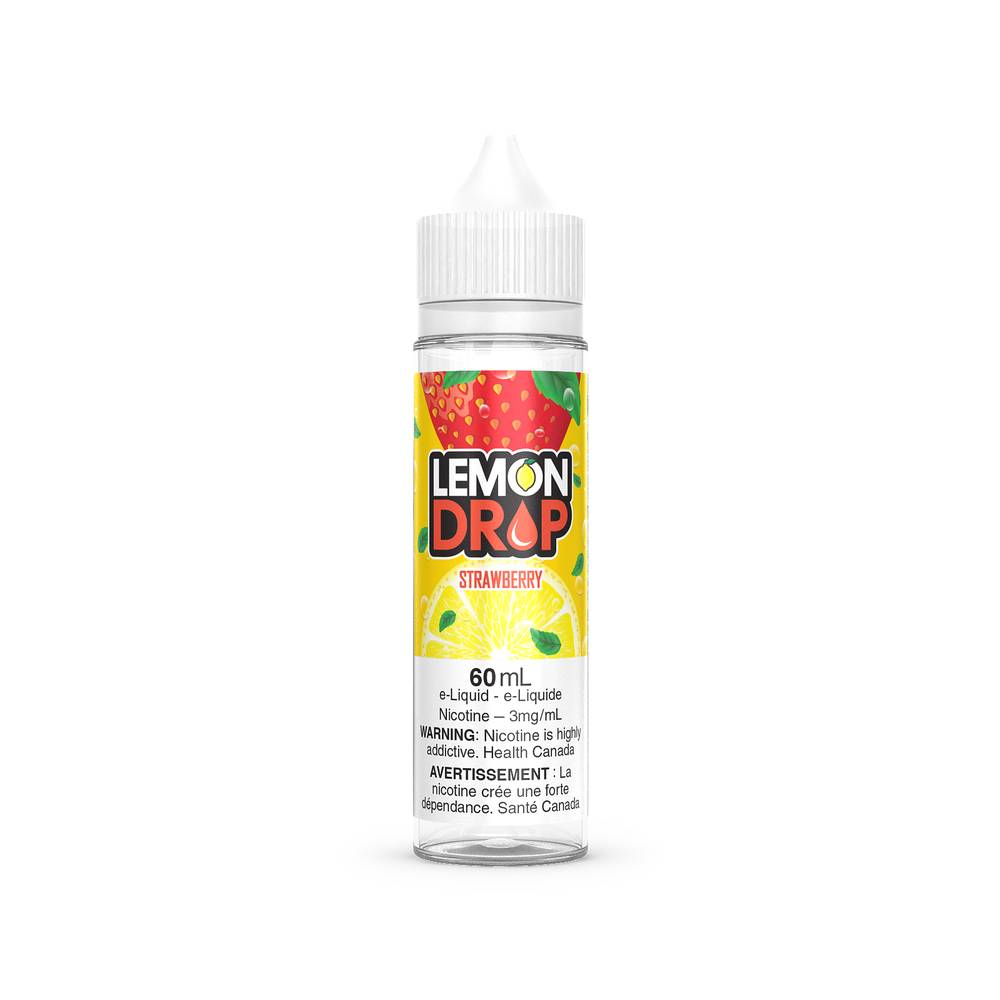
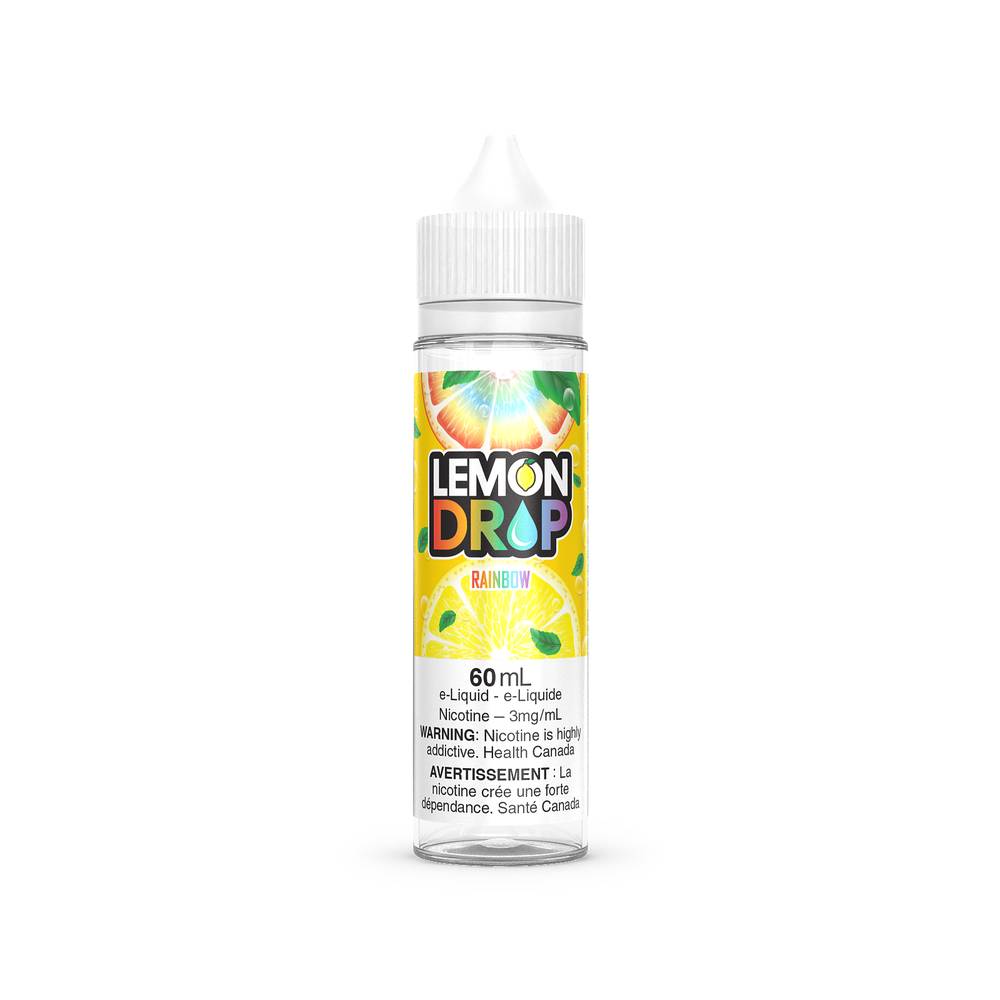
-
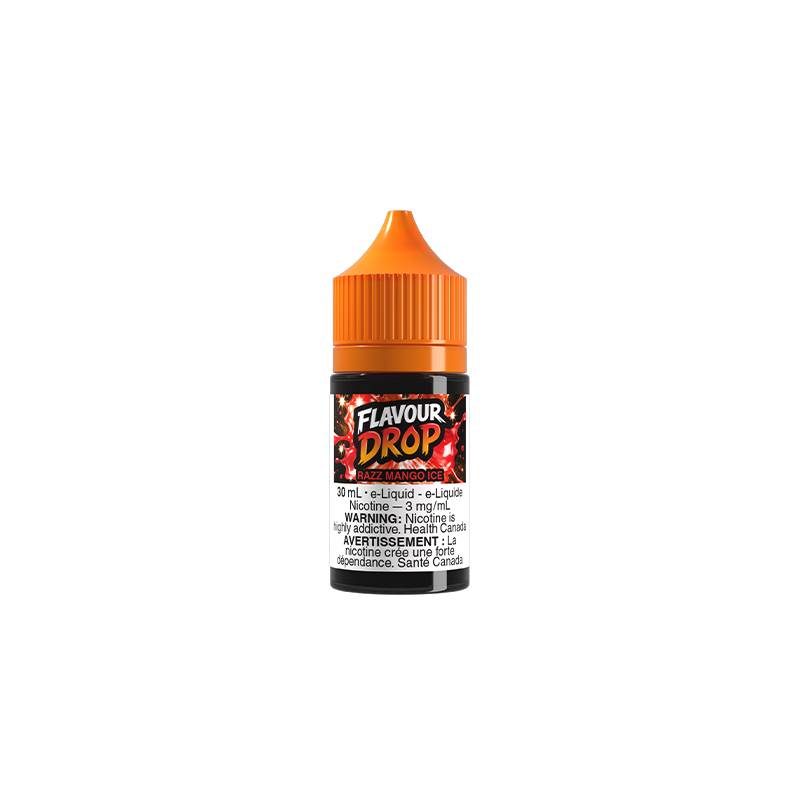
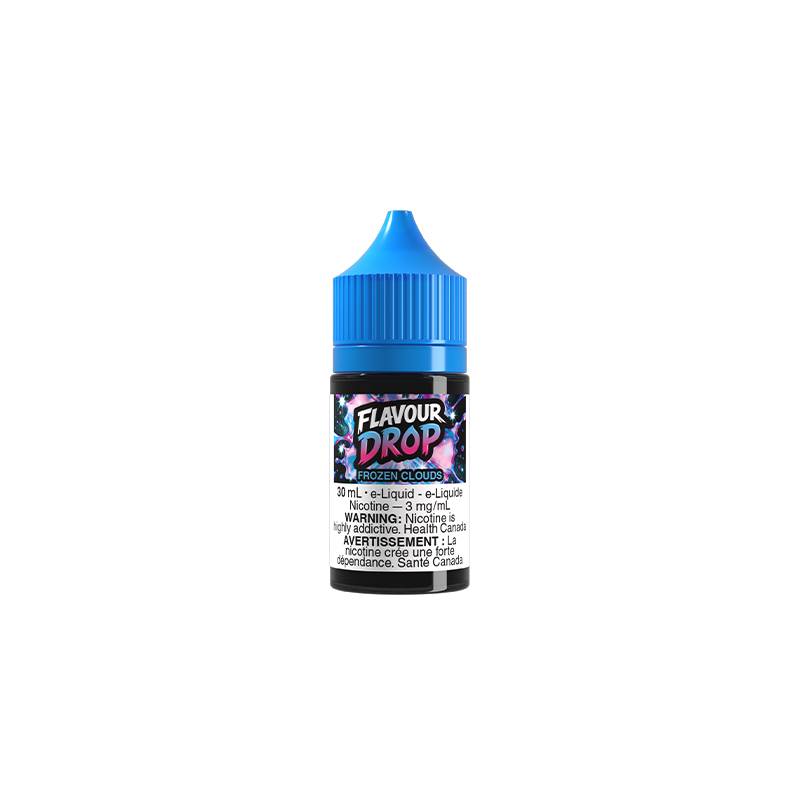
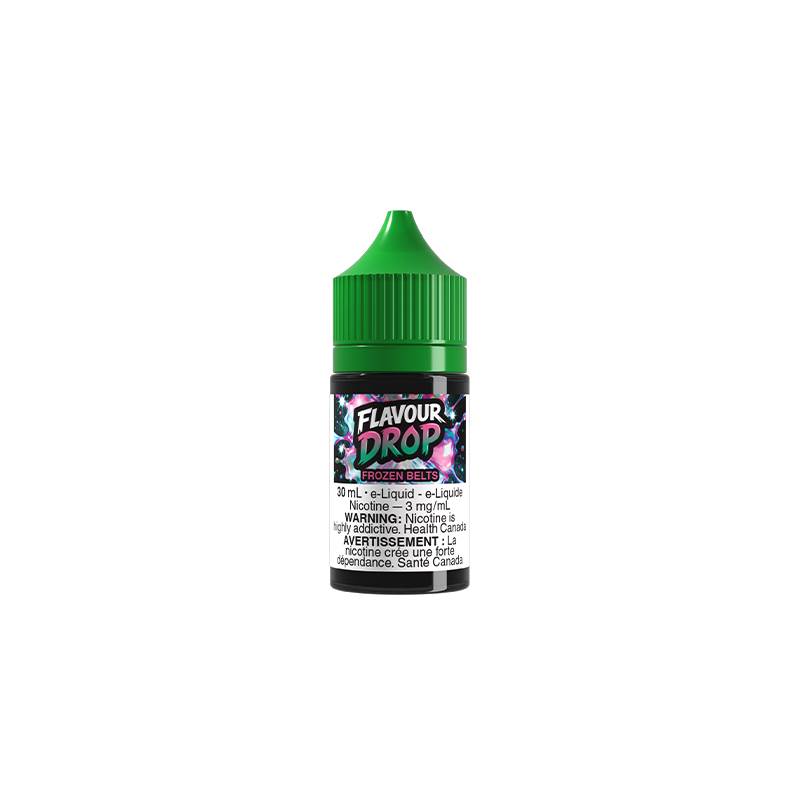
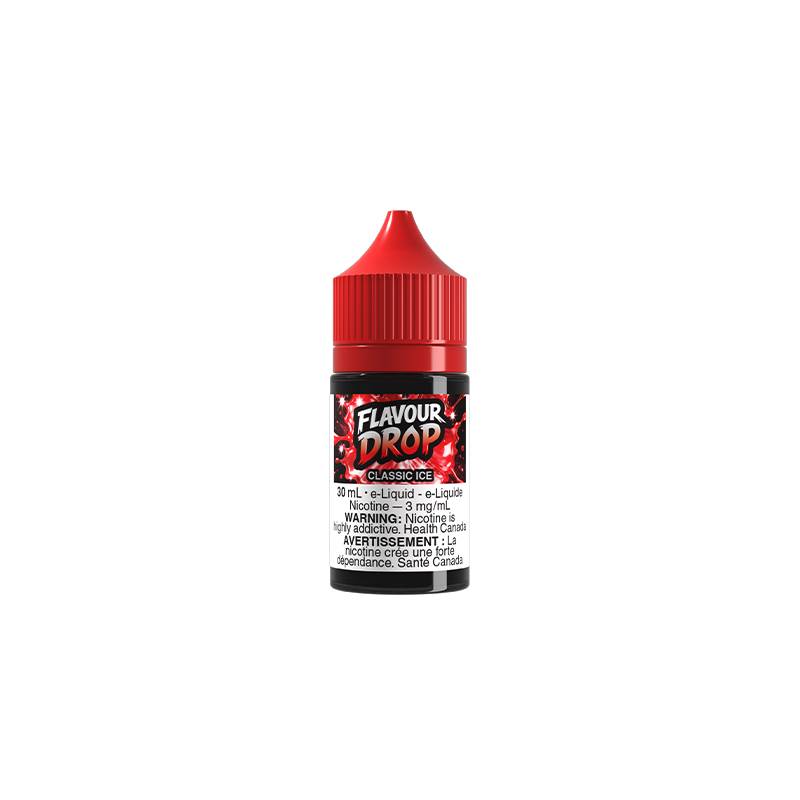
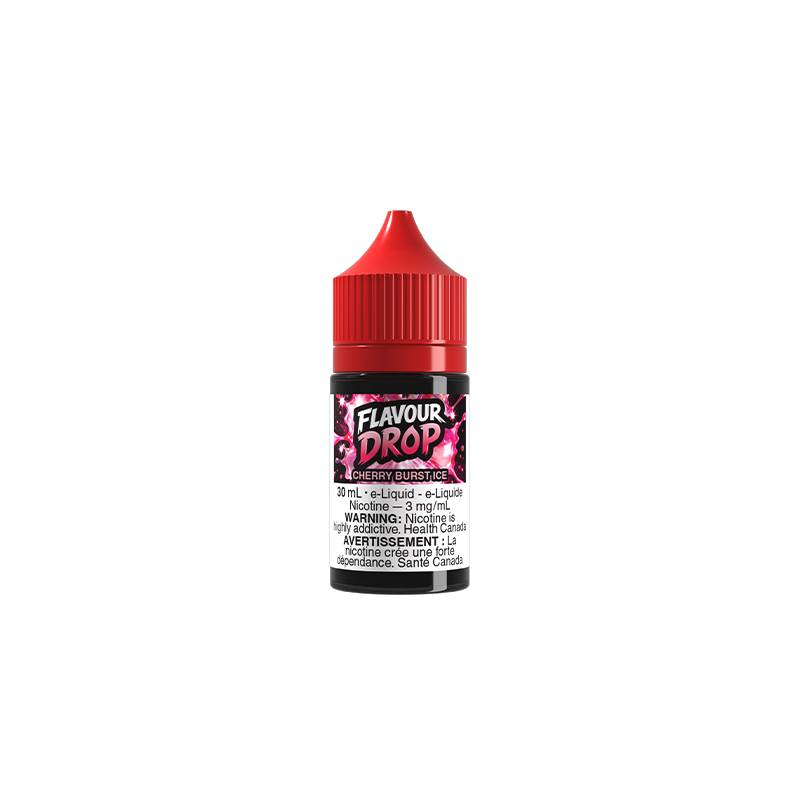
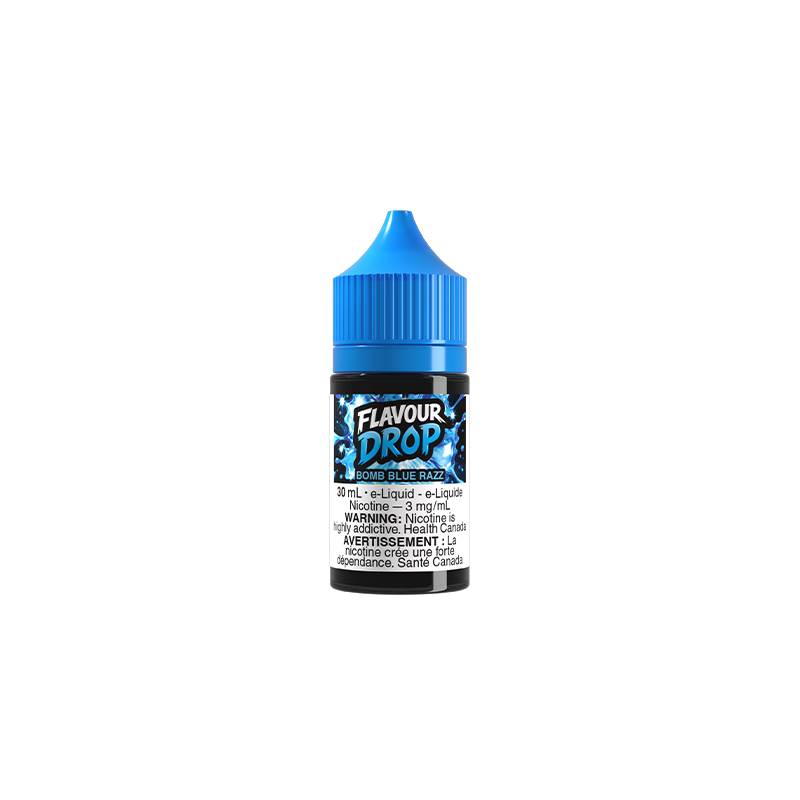
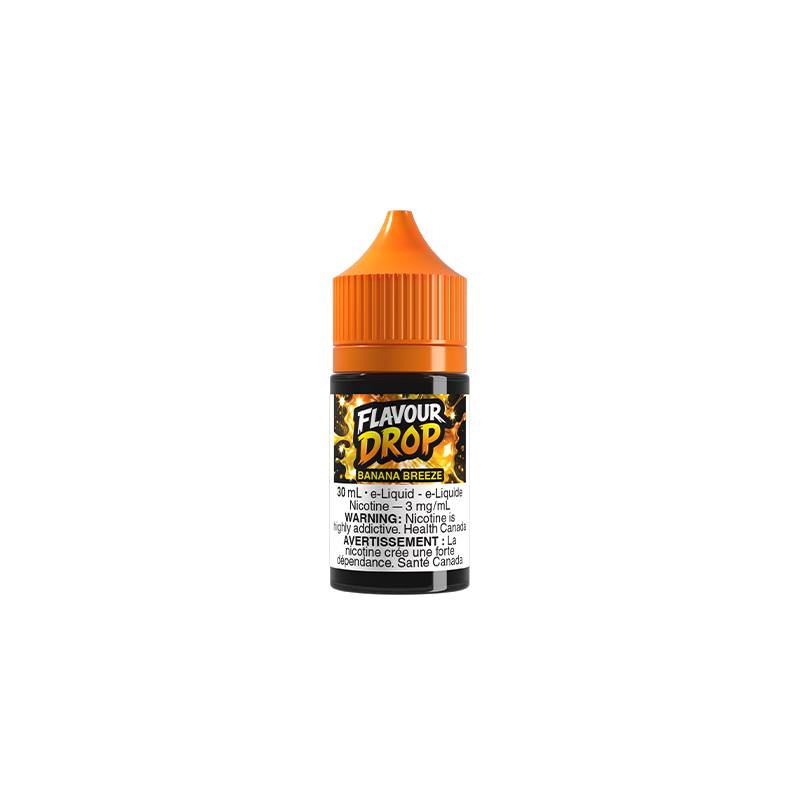
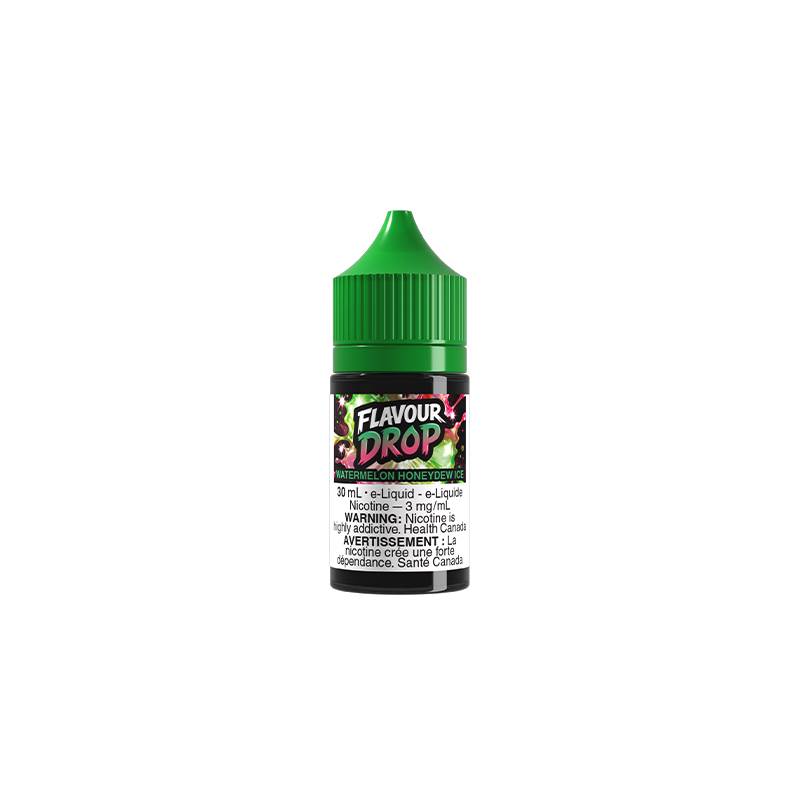
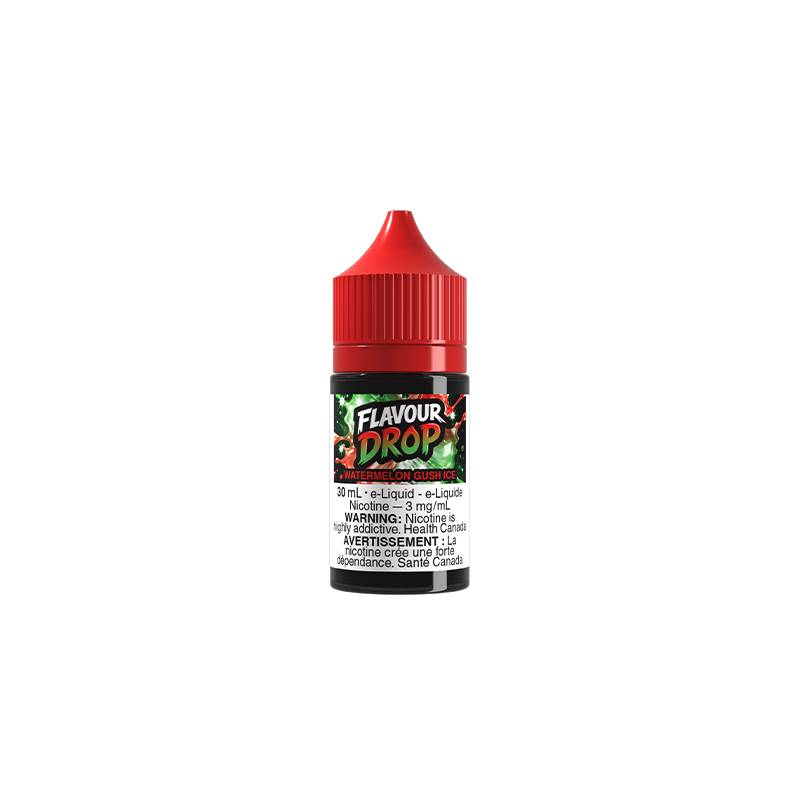
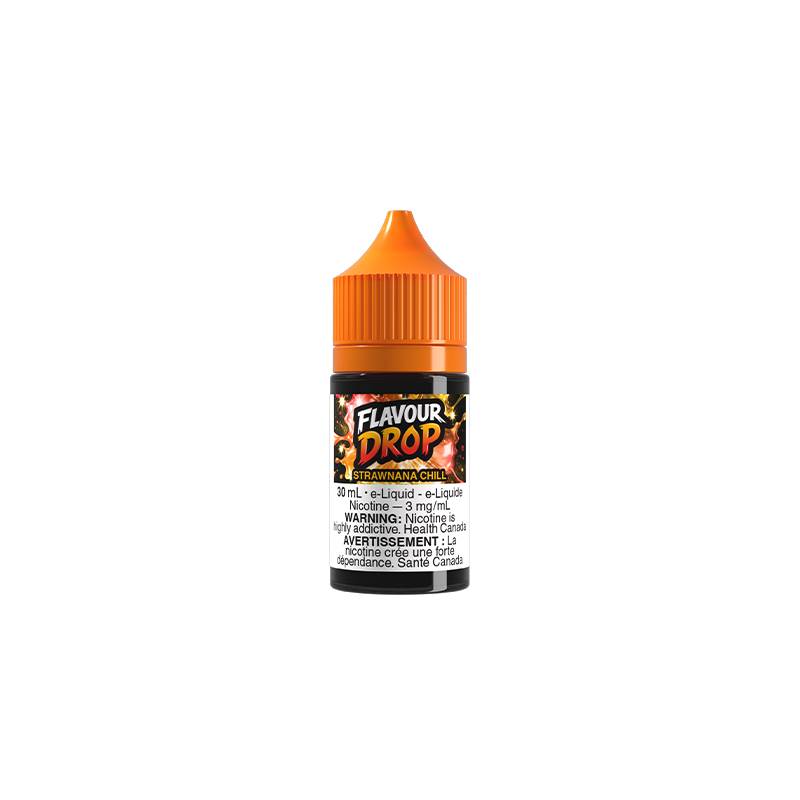
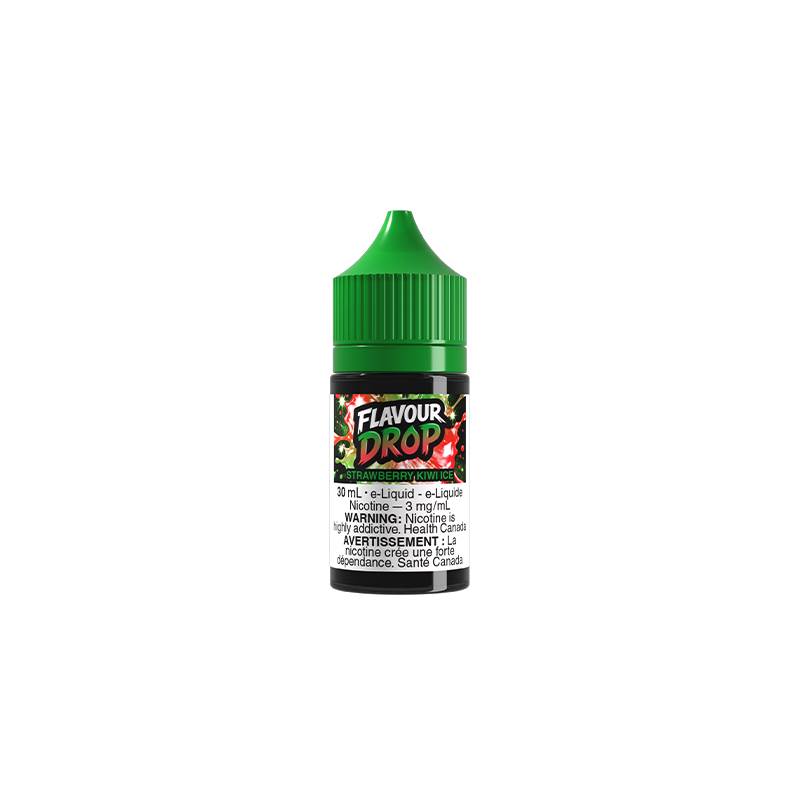
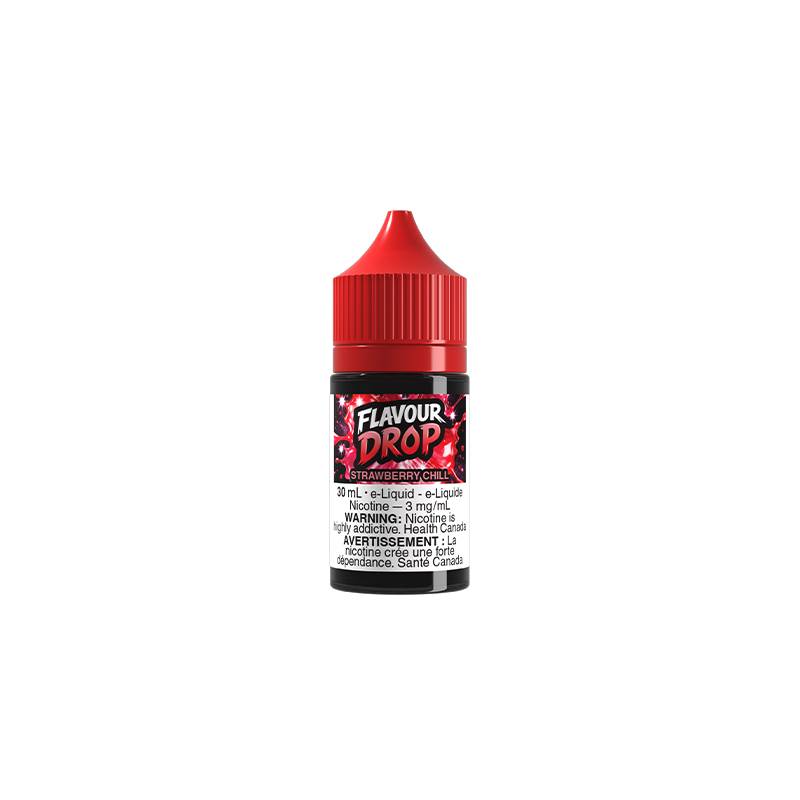
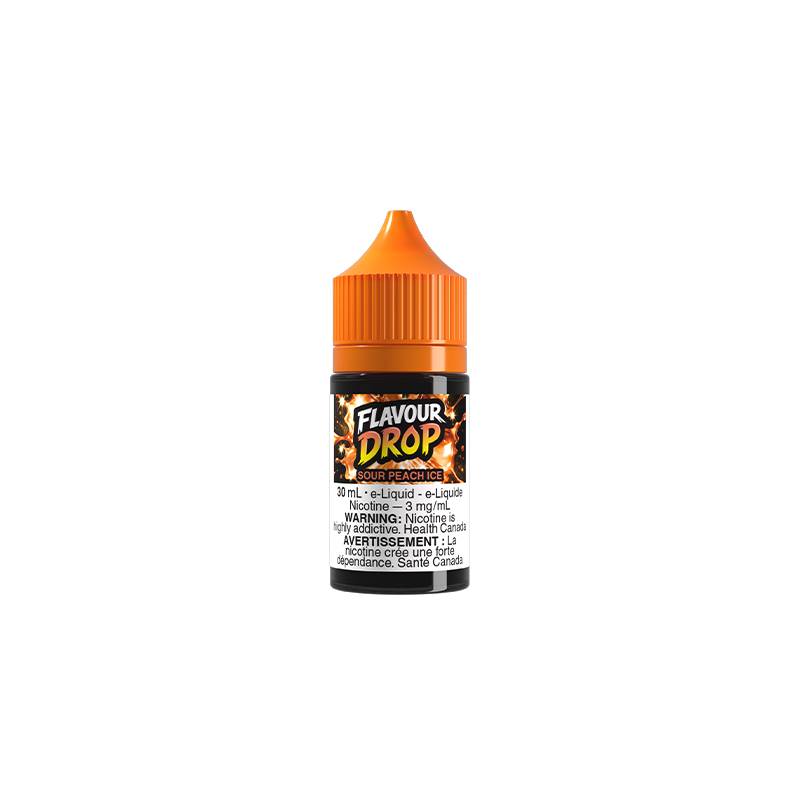
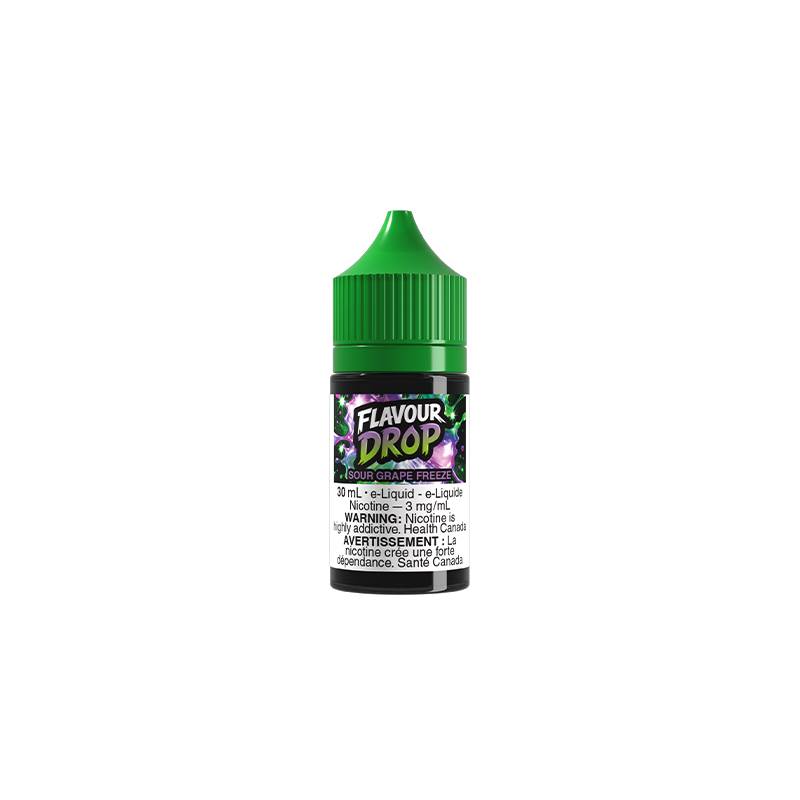
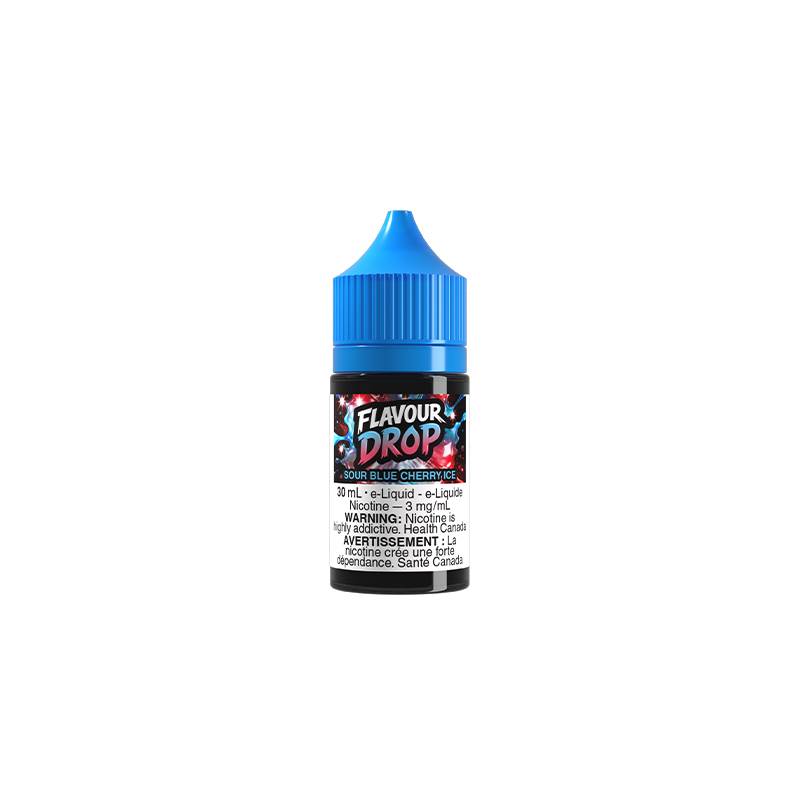
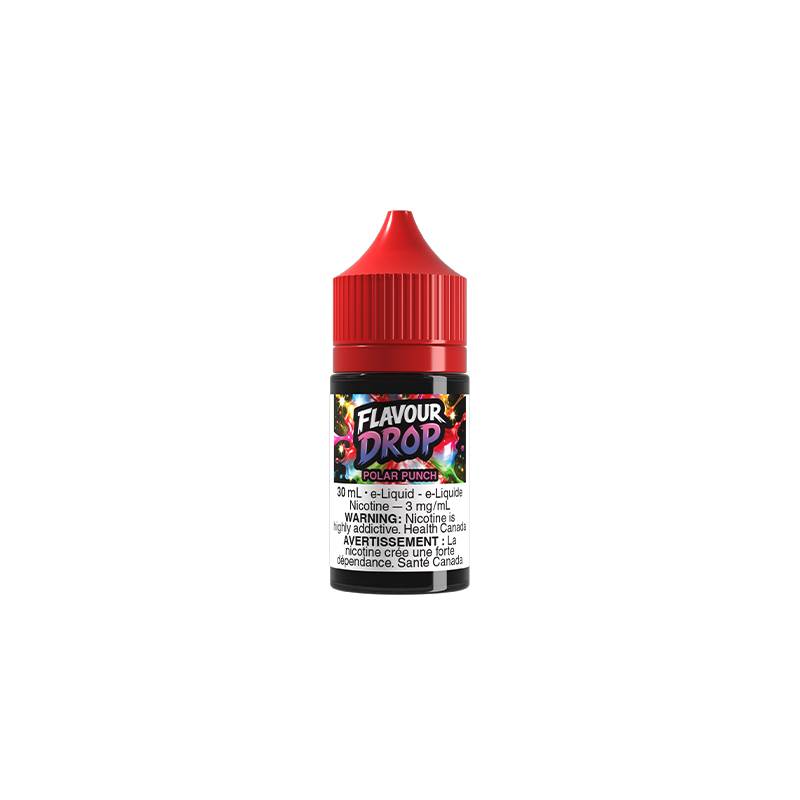
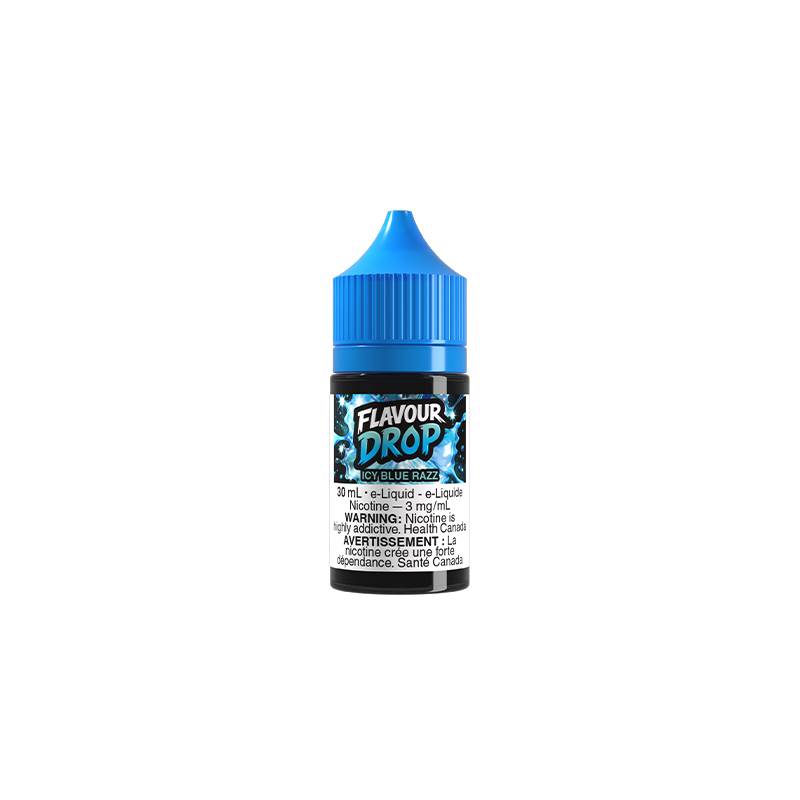
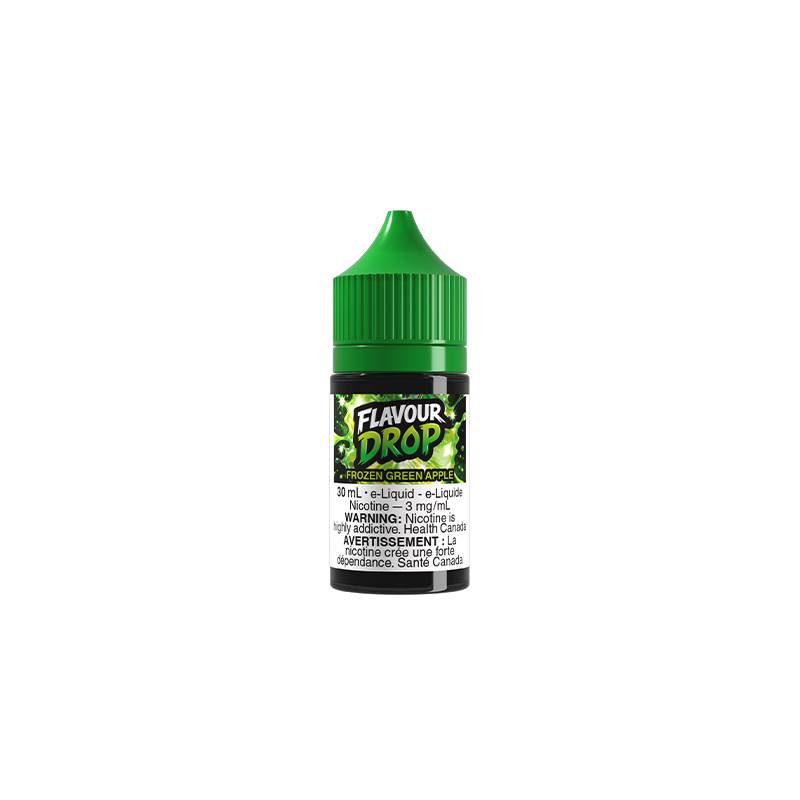 16% off
 -
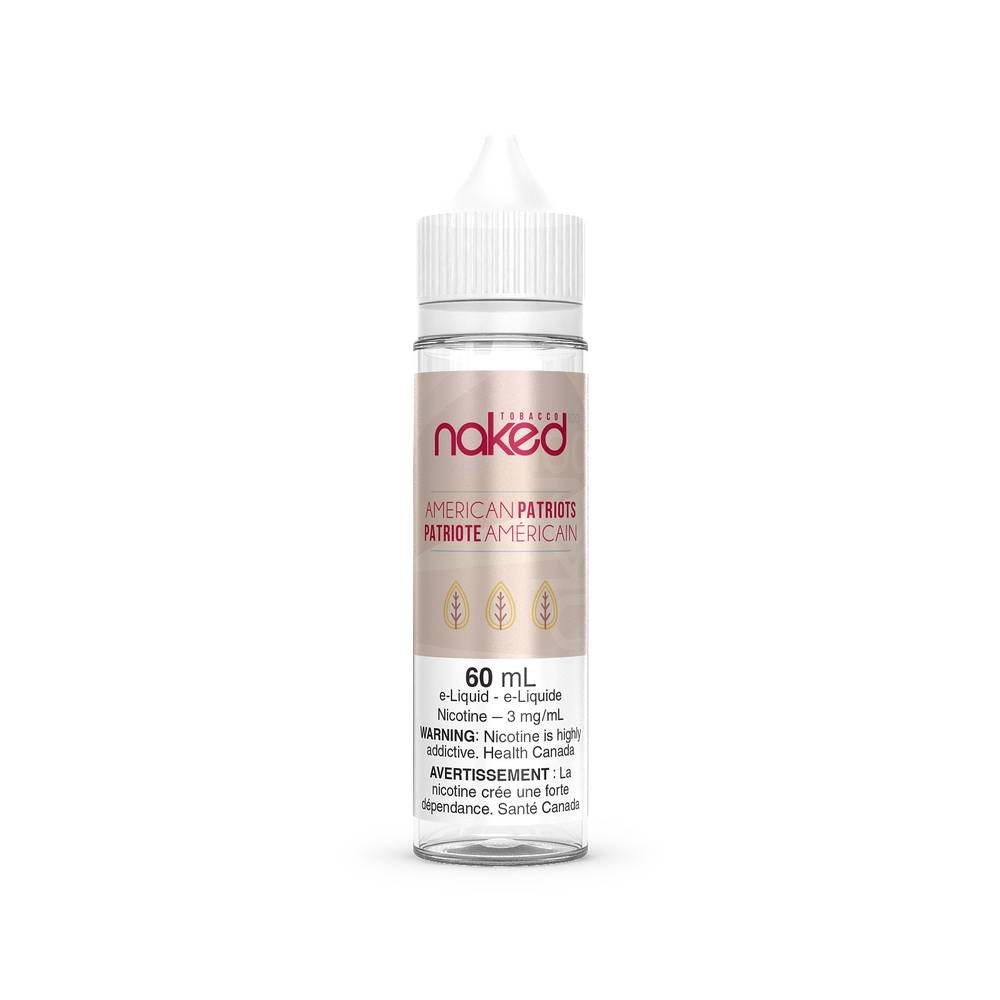
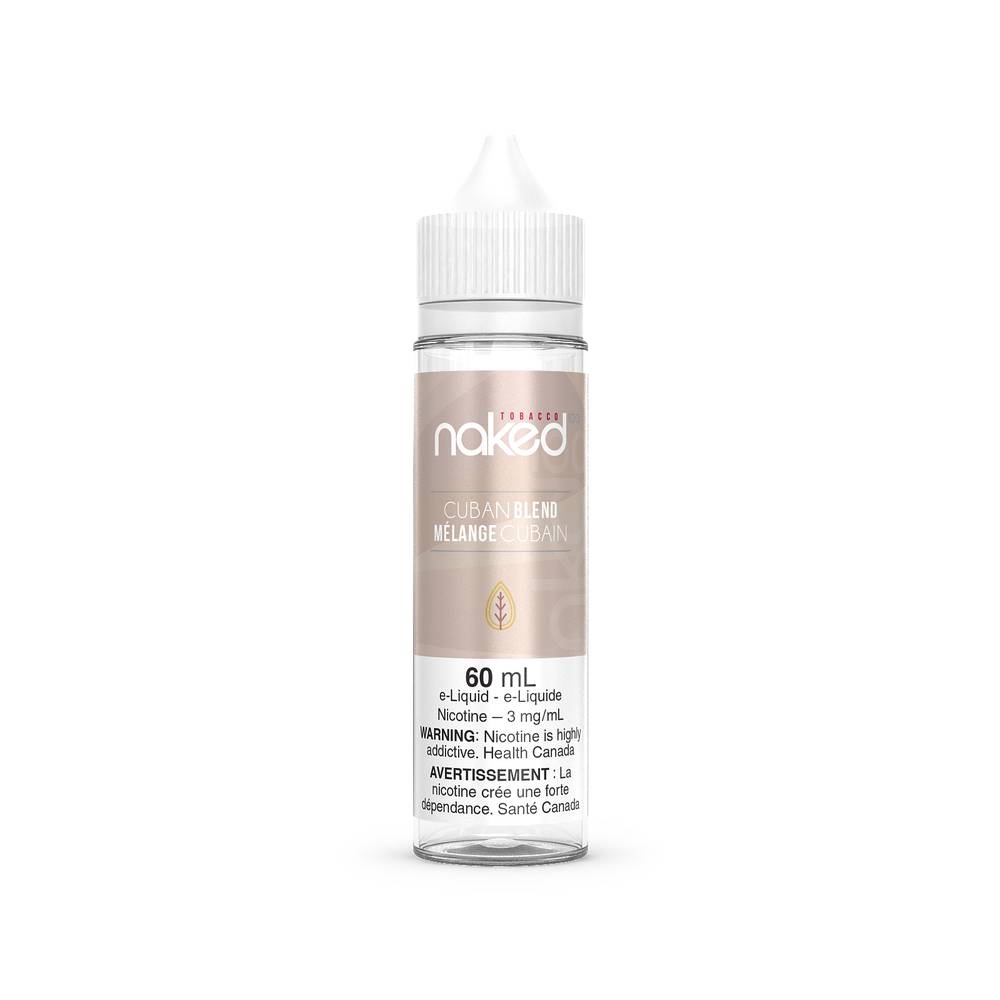
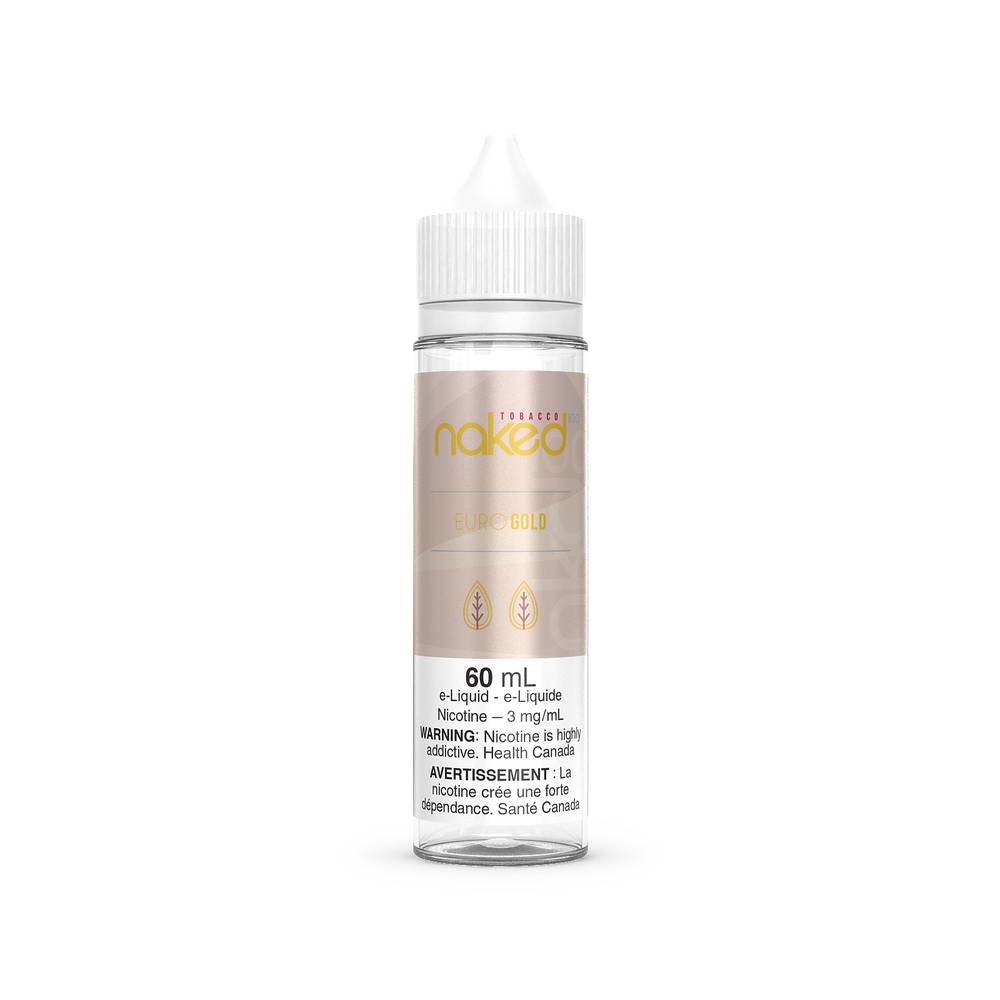
-
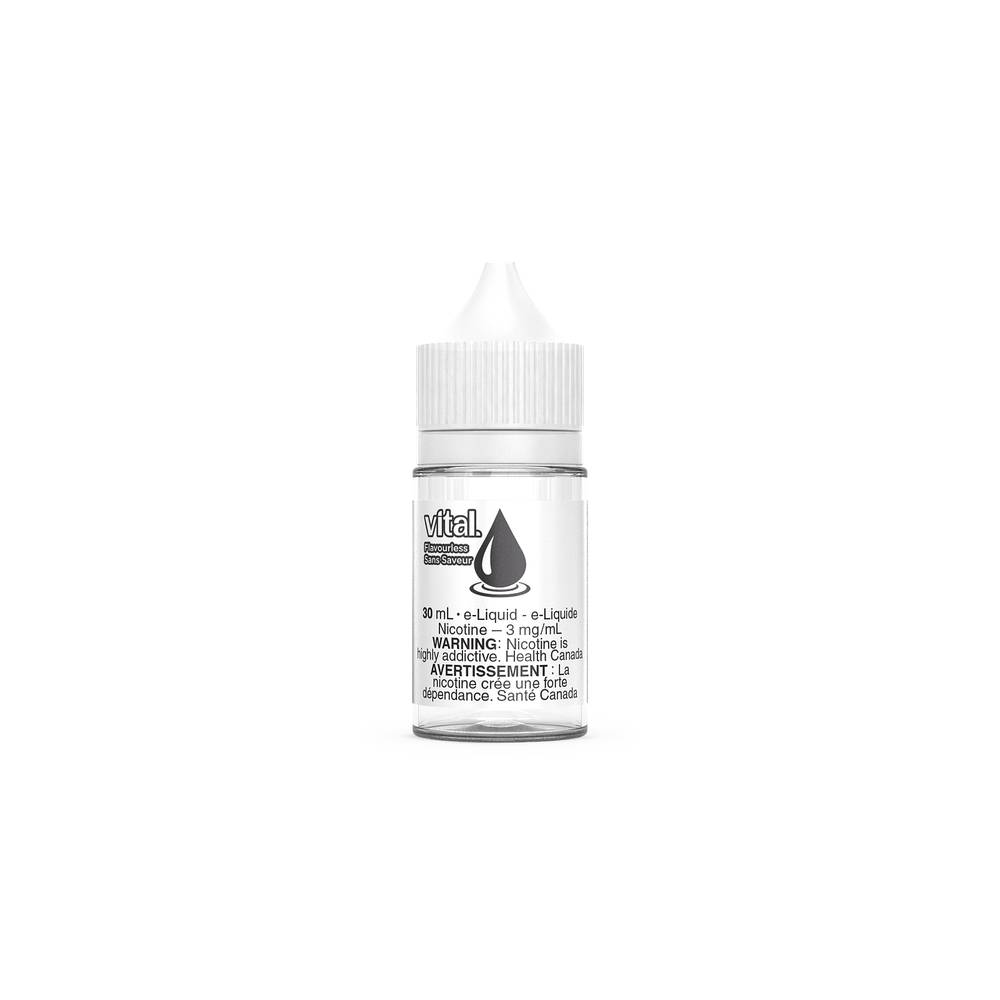
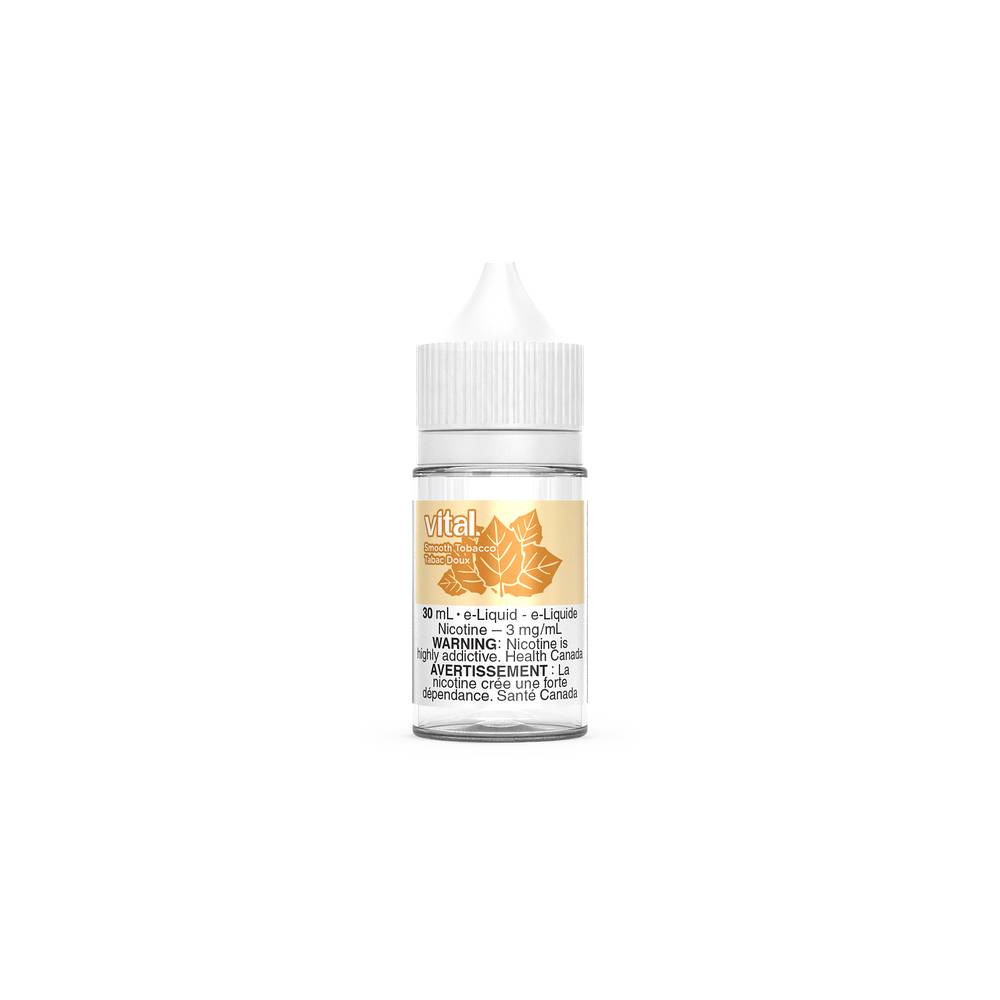
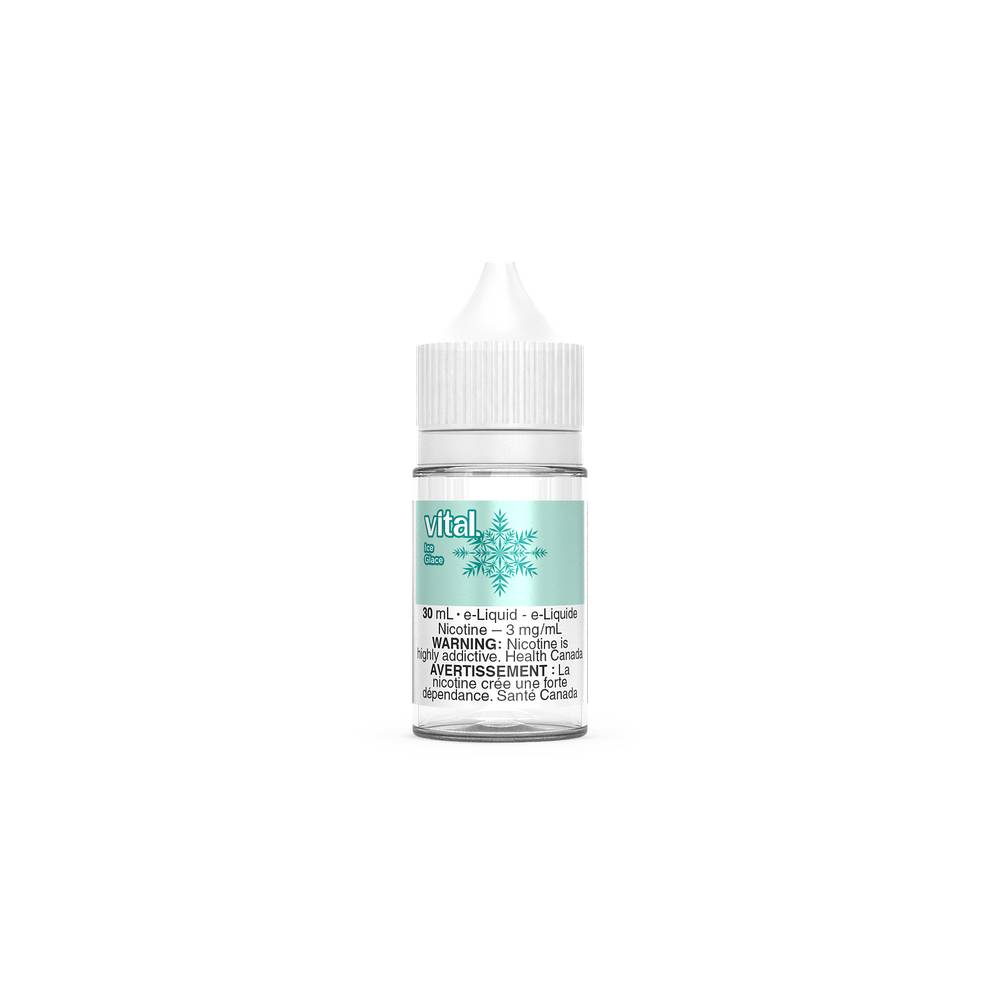 11% off


Freebase E-Liquid Buying Guide
New to freebase e-liquid? Learn how freebase nicotine works, which devices and coils are compatible, how wattage and resistance affect flavour, and whether freebase or nicotine salt is the better choice for your vaping style.
1. What is freebase e-liquid?
Freebase e-liquid uses traditional nicotine and is designed for higher-power vaping devices. Compared with nicotine salt, it produces a stronger throat hit, larger vapour clouds and works best with sub-ohm tanks and high-wattage pod systems.
2. What's the difference between freebase and nicotine salt?
Freebase e-liquid is typically used with higher-power devices and lower nicotine strengths for direct-lung (DTL) vaping. Nicotine salt provides a smoother throat hit at higher nicotine levels and is better suited for refillable pod systems and mouth-to-lung (MTL) vaping.
3. Which devices work best with freebase e-liquid?
Freebase e-liquid performs best in sub-ohm tanks, box mods and higher-power refillable pod systems. These devices are designed to operate at higher wattages, allowing freebase e-liquid to deliver richer flavour, denser vapour and better overall performance.
4. Can I use freebase e-liquid in a pod system?
Yes, but only in refillable pod systems designed for freebase e-liquid. Most low-power pod devices are intended for nicotine salt and may not perform well with thicker, high-VG freebase e-liquids.
Using the wrong coil resistance or setting the wattage too high or too low can result in poor performance. You may experience dry hits, burnt flavour, excessive heat, or an uncomfortable burning sensation in the throat. For the best experience, always match your e-liquid to the recommended coil resistance and wattage range specified by your device or coil manufacturer.
5. Which coil resistance is best for freebase vape juice?
Most freebase e-liquids perform best with coils between 0.15Ω and 0.6Ω.
- 0.15Ω–0.3Ω: Warmer vapour, larger clouds and maximum flavour.
- 0.4Ω–0.6Ω: A balanced combination of flavour, vapour production and battery life.
- 0.8Ω and above: Better suited for nicotine salt than freebase e-liquid.
Always follow the recommended wattage printed on your coil.
6. How does wattage affect flavour?
Lower wattages produce a cooler vape with smoother flavour, lower e-liquid consumption and longer coil life. Higher wattages create warmer vapour, stronger flavour and denser clouds, but also use more battery power and e-liquid. Staying within your coil's recommended wattage range provides the best balance of flavour and performance.
7. What VG/PG ratio is best for freebase e-liquid?
Most freebase e-liquids use higher VG ratios, such as 70VG/30PG, to produce smoother airflow, denser vapour and better performance in sub-ohm devices. Higher PG ratios provide a stronger throat hit but are generally better suited for lower-power devices.
8. Which nicotine strength should I choose?
Because higher-power devices produce much more vapour per puff, freebase e-liquid is usually used with lower nicotine strengths. If you're unsure which strength is right for you, choose one based on your previous smoking or vaping habits and adjust gradually if needed.
9. How should I store freebase e-liquid?
Store your e-liquid in a cool, dry place away from direct sunlight and excessive heat. Always keep the bottle tightly sealed after use. Once opened, it's best to use the e-liquid within a reasonable period to maintain its flavour and nicotine quality, as prolonged exposure to air may gradually oxidize the nicotine and slightly change the flavour and colour.
10. Is freebase e-liquid suitable for beginners?
For most beginners, nicotine salt paired with a refillable pod system is the easier place to start. Freebase e-liquid is better suited for users who are comfortable choosing the right coil, adjusting wattage and airflow, or who prefer larger clouds and direct-lung (DTL) vaping.
